A convincing AI presenter is not enough for a product ad. If the bottle changes size in the presenter’s hand, the packaging loses a detail, or the script promises something the video never proves, the ad has a bigger problem than slightly awkward lip sync.
I’m Vela, and that is why I would compare AI avatar software for e-commerce product ads around product accuracy first.
For this article, I have not run a controlled three-platform benchmark with original exports, so I am treating this as a testing framework rather than pretending I have scores I do not have. The useful question is simple: with the same SKU, the same spoken claim, and the same correction request, how much trustworthy product evidence survives?
Decide What the Presenter Must Show
Before choosing an ecommerce AI avatar software platform, decide what the presenter actually has to prove on screen.
There is a big difference between an avatar saying, “This bottle is easy to carry,” while holding the correct bottle and an avatar claiming, “This cap never leaks,” when the video only shows a closed package.
The first combines a modest claim with visible context. The second asks viewers to accept evidence the ad has not shown.
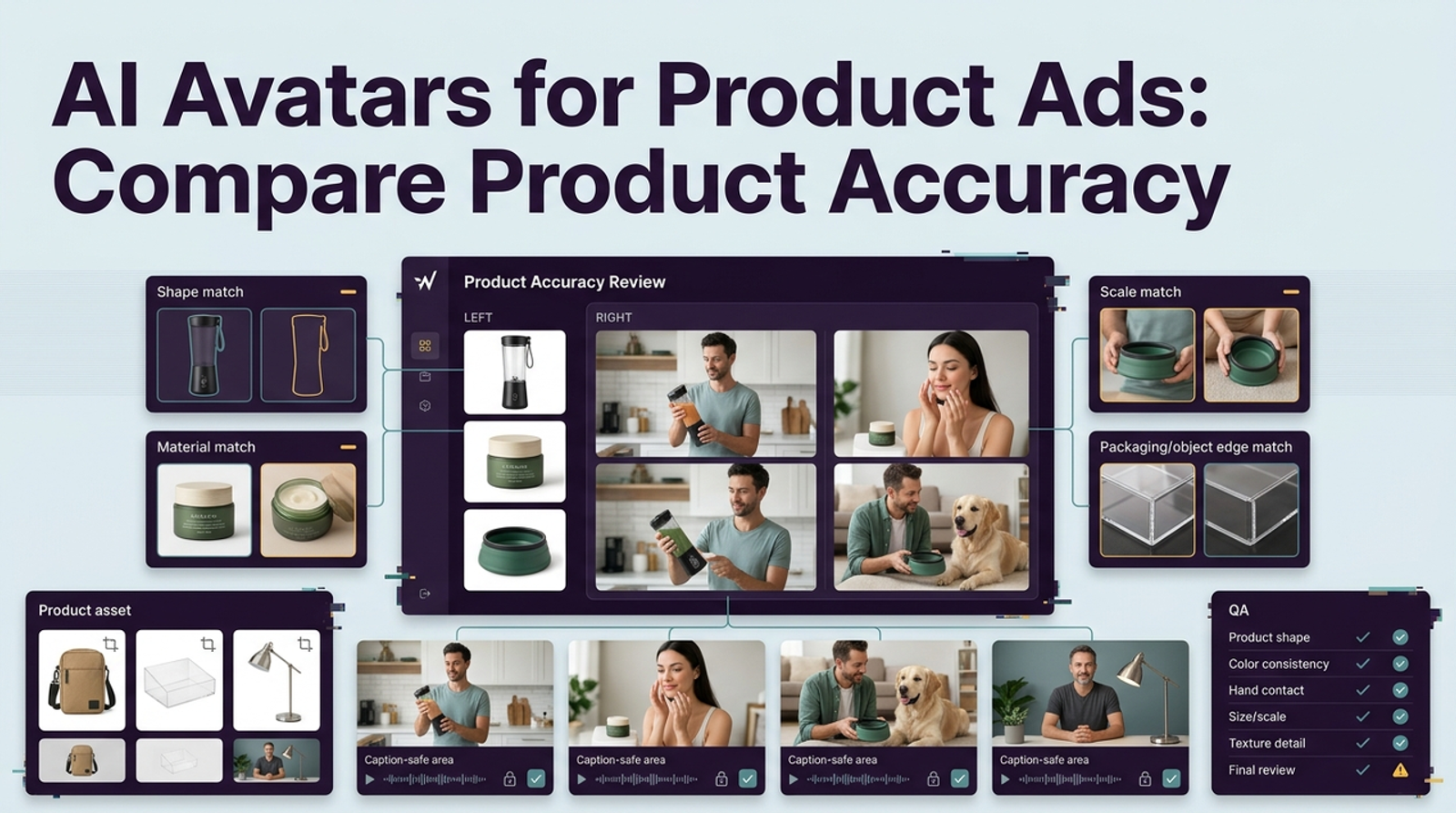
I would create a short product-evidence sheet before generation. Record the product’s shape, packaging color, logo position, number of components, important controls or openings, relative scale, and any product behavior the script describes.
For cosmetics, claims need extra attention. The FDA’s cosmetics labeling claims guidance says cosmetic labeling claims must be truthful and not misleading. It also explains that claims about treating or preventing disease, or affecting the structure or function of the body, can cause a product marketed as a cosmetic to be regulated as a drug.
That distinction matters because AI can make a claim look more persuasive without making it more accurate.
Compare Three Product-Presenter Workflows
For a practical avatar product ad comparison, I would put Wizstar, HeyGen, and Creatify through one controlled brief.
The overlap between them is broader than a simple “avatar tool versus ad generator” comparison suggests.
HeyGen now supports video-ad workflows that can begin with a product link, product photo, or short script, alongside avatar presenters. Creatify remains strongly focused on AI advertising and UGC-style production from product inputs; its original Product Video homepage tool was deprecated in May 2026 as the product shifted more attention toward social and UGC ad workflows. Wizstar combines product-link, image, script, video-generation, avatar, and translation workflows in the same broader workspace.
That means I would not compare them by category labels alone. I would give all three the same product problem.
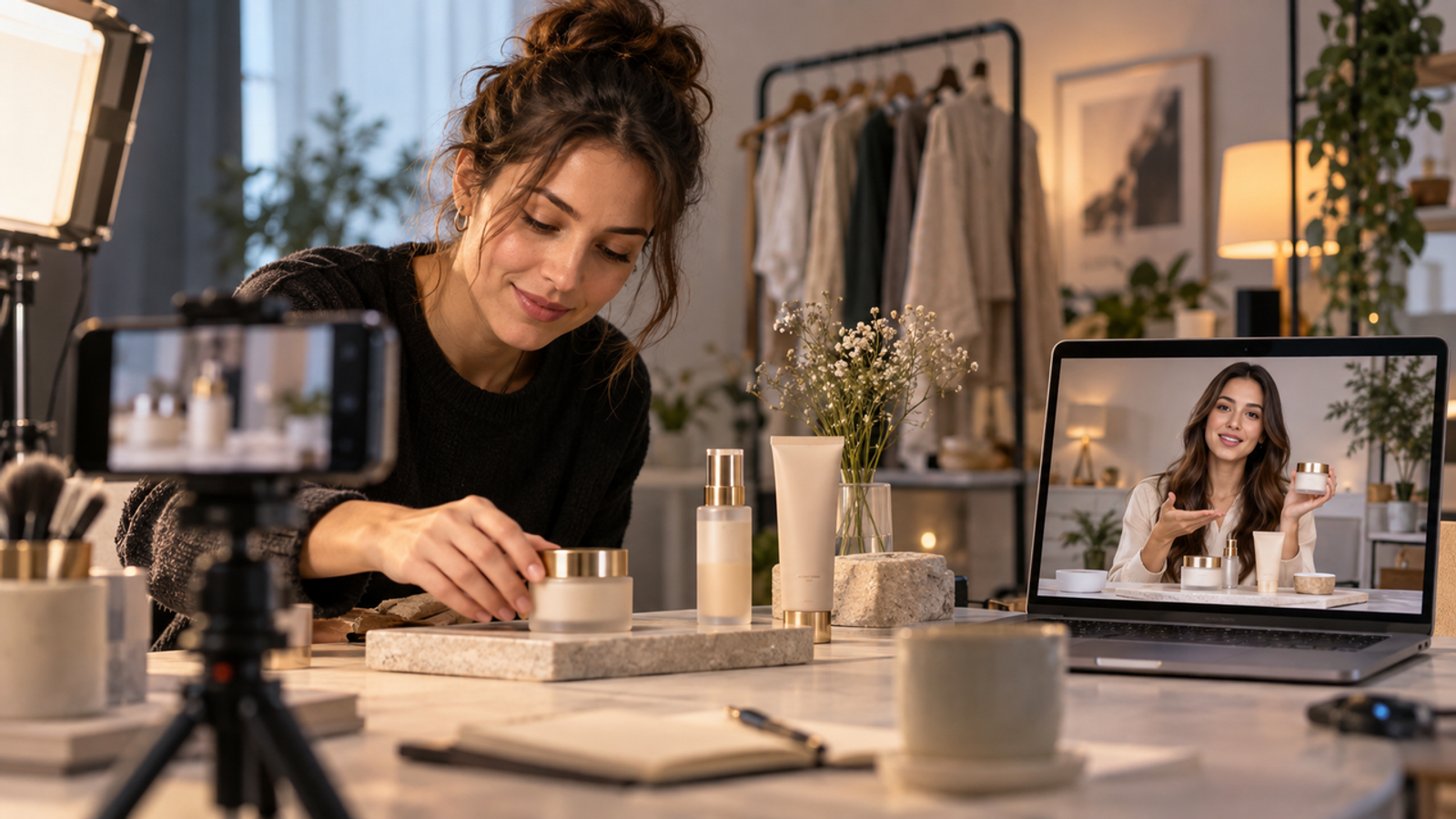
Wizstar: Test Product and Presenter in the Same Workflow
I would test Wizstar as a combined product-and-avatar workflow.
The starting asset stays simple: one clean image of the real SKU, one short script, and one presenter brief.
The presenter’s job is not to perform a complicated demonstration. I would ask them to introduce the product, hold or reference it, explain one approved benefit, and finish with a short CTA.
Then I would inspect product consistency.
Does the package retain the correct proportions? Does the cap stay in the right place? Is the logo still where it belongs? Does the product remain the same size when it moves closer to the presenter?
The revision test matters just as much. If one visible detail is wrong, I want to know whether I can correct that part without making the rest of the shot drift.
HeyGen: Test the Product-Presenter Relationship
I would no longer frame HeyGen as only an avatar-led workflow.
Its current video-ad tools can start from product links, photos, or scripts and combine those assets with avatar presenters.
For this test, I would pay particular attention to where the synthetic presenter meets the real product.Watch the hands. Watch product scale against the torso. Watch package edges when the presenter rotates the object. Small errors often become visible at exactly these contact points.
I would use the same correction request later and see whether fixing one product detail leaves the presenter and framing stable.The prettiest face would not decide this comparison for me.
Creatify: Test Product Evidence Across the Ad
Creatify is still especially relevant when the goal is UGC-style or performance-oriented ad production.Its recent workflows emphasize turning a product link into scripts, scenes, avatars, hooks, and multiple ad directions.
That creates a slightly different test.I would not inspect only the moment when an avatar holds the product.
I would check whether the SKU stays accurate as the workflow expands into product shots, generated scenes, spoken hooks, overlays, and alternate creative versions.
One product should not quietly become five slightly different products just because the ad has five scenes.
The correction test stays identical across all three platforms: fix one wrong detail and see how much unrelated content changes with it.
These are evaluation targets, not results. I would not assign a product-accuracy winner without comparable original exports.
Product Placement and Handling
The first frame I inspect is usually the moment the presenter touches the product.
Hands make generation harder. Bottles become narrower, handles shift, buttons disappear, package edges bend, and large objects can suddenly acquire the wrong scale.
None of these errors has to look dramatic to matter. A shopper who already knows the SKU may notice immediately.
Use the same clean source image across all three tools. Keep the presenter action modest: pick up the product, hold it beside the torso, rotate it slightly, and return it.
Then compare the generated object with the source image—not one generated video with another.
For an AI spokesperson ecommerce workflow, product fidelity should beat theatrical movement. I would rather have a presenter hold the correct product naturally for four seconds than perform an impressive gesture with a subtly invented version of it.
Spoken Claims and Visible Evidence
Next, listen to the script while ignoring the presenter’s face.Every factual claim should fall into one of three buckets:
- something the viewer can actually see;
- something supported by approved product information;
- something that requires separate substantiation.
An avatar does not create evidence simply by saying a sentence confidently.
This becomes especially sensitive when a synthetic presenter sounds like a customer. The FTC’s Consumer Reviews and Testimonials Rule Q&A specifically addresses AI stock avatars. The FTC says there is no blanket prohibition on their use in marketing, but an AI avatar may still become a testimonial, and false underlying testimonials can violate the rule. Avatar use may also be deceptive under the FTC Act depending on the circumstances.
So I would avoid giving a stock avatar lines such as “I have used this every morning for six months” unless that statement truthfully represents an authorized underlying testimonial.Product explanation and fabricated personal experience are not the same thing.
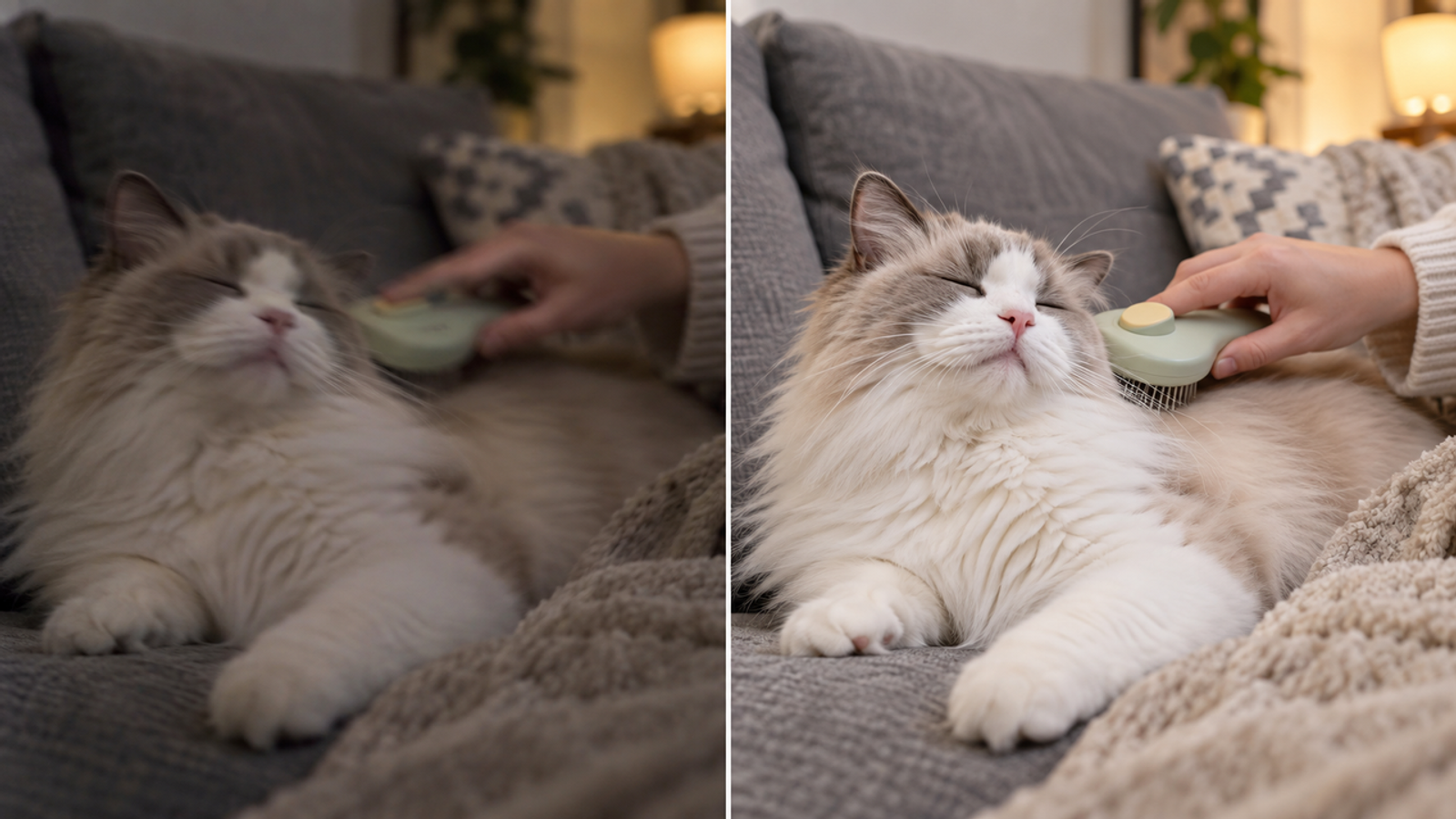
Correcting a Product Detail After Generation
This is where the comparison becomes more useful than a beauty contest.
Imagine the generated ad shows a blue lid when the current SKU has a white lid.
Send each workflow the same request:Keep the presenter, script, framing, timing, and product position unchanged. Correct only the lid color to match the reference SKU.
Then watch what moves besides the lid.If the fix changes the presenter, package geometry, camera angle, product scale, label, or background, the real revision cost is higher than it first appeared.
For teams producing many ecommerce ads, controllable correction can matter more than the most polished first generation.
I would also keep synthetic-media treatment in the publishing checklist. Meta updated its ad-transparency approach on June 1, 2026. Its generative AI ads transparency update says the new “About this ad” experience includes “AI info” for ads created or significantly edited with Meta’s generative tools and that Meta is beginning to detect third-party AI-created or edited ads using industry-standard signals.
Platform treatment will keep changing. I would check the destination policy again before a campaign goes live rather than assume last quarter’s publishing workflow still applies.
Use the Same SKU and Script for Each Evaluation
A fair test needs boring consistency.
I would use one handheld SKU with visible packaging details, one neutral product image, one presenter brief, and a 15–20 second script.
The script should contain one observable feature, one approved benefit, and one simple CTA.
Do not give one platform five reference images and another one image. Do not rewrite the script because one tool works better with a certain style. Do not make one presenter perform a complicated product demo while another simply holds the package.
The correction request stays identical too.
What I would record is not simply “good” or “bad.” I would note:
- whether product shape remained stable;
- whether colors and packaging details matched the source;
- whether the presenter touched the correct part of the product;
- whether labels, controls, openings, or accessories changed;
- whether spoken claims matched visible or approved evidence;
- what changed after the correction request;
- and how much of the video had to be regenerated.
This is also how I would compare AI avatars for UGC video ads.
A UGC-like delivery style should not lower the evidence standard just because the video feels casual.
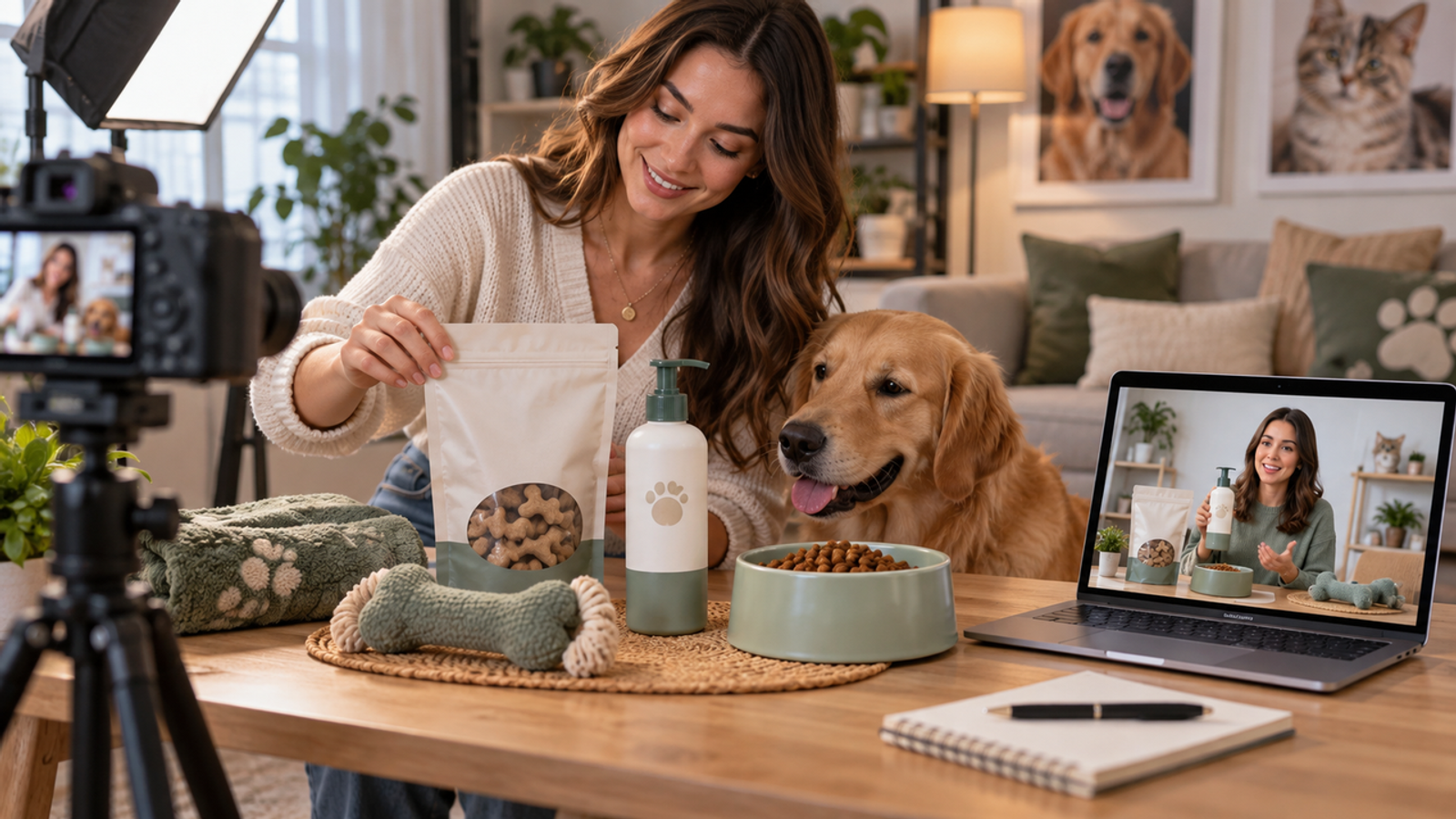
When Real Product Footage Is Necessary
There is a point where generation stops being the sensible shortcut.
If the commercial argument depends on exact texture, mechanical operation, liquid behavior, a before-and-after result, precise dimensions, fit, assembly, medical performance, or another physical demonstration that must act as evidence, I would shoot the real product.
AI can still help around that footage.
A synthetic presenter can introduce the demonstration, explain approved features, create alternate-language versions, or connect real clips into several ad variants.But the evidence-heavy moment stays real.That hybrid approach is often stronger than asking an avatar generator to simulate everything.