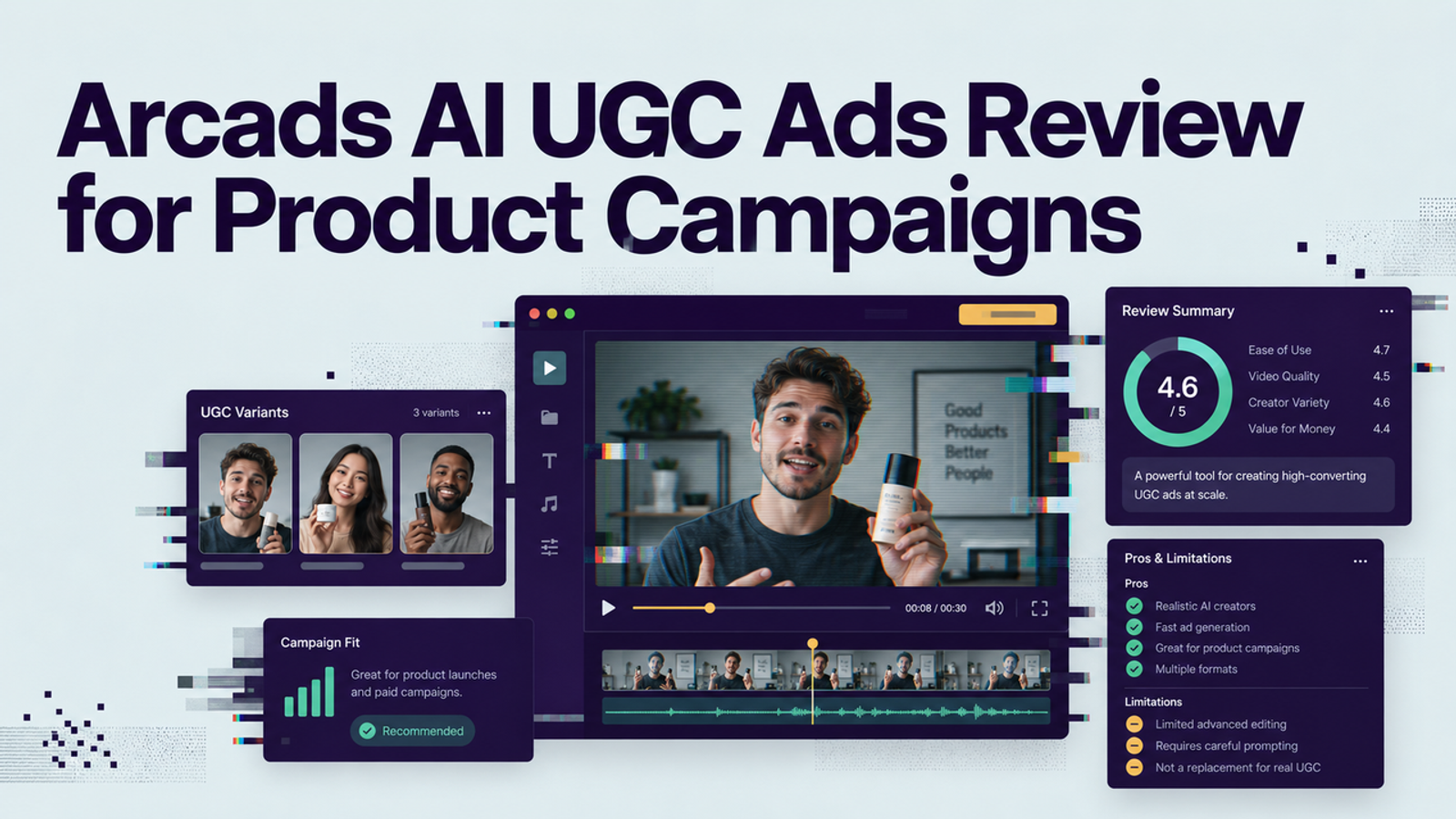
Hey, I'm Vela. I would not judge Arcads by asking, “Is this a good AI ad maker?” That question gets messy fast. I would ask something smaller and more useful: can arcads ai ugcads help a product team or agency turn one campaign brief into a reviewable ad version without booking a shoot?
For this review, I am treating Arcads as a product-campaign workflow, not a magic box. I did not run paid media with Arcads for this article, so I will not pretend to know its ROAS impact. I checked its current official pages, help articles, credit rules, actor/model information, export language, and terms as of September 8, 2026, then mapped the workflow around one ordinary product ad task.
What Arcads Is Designed to Produce
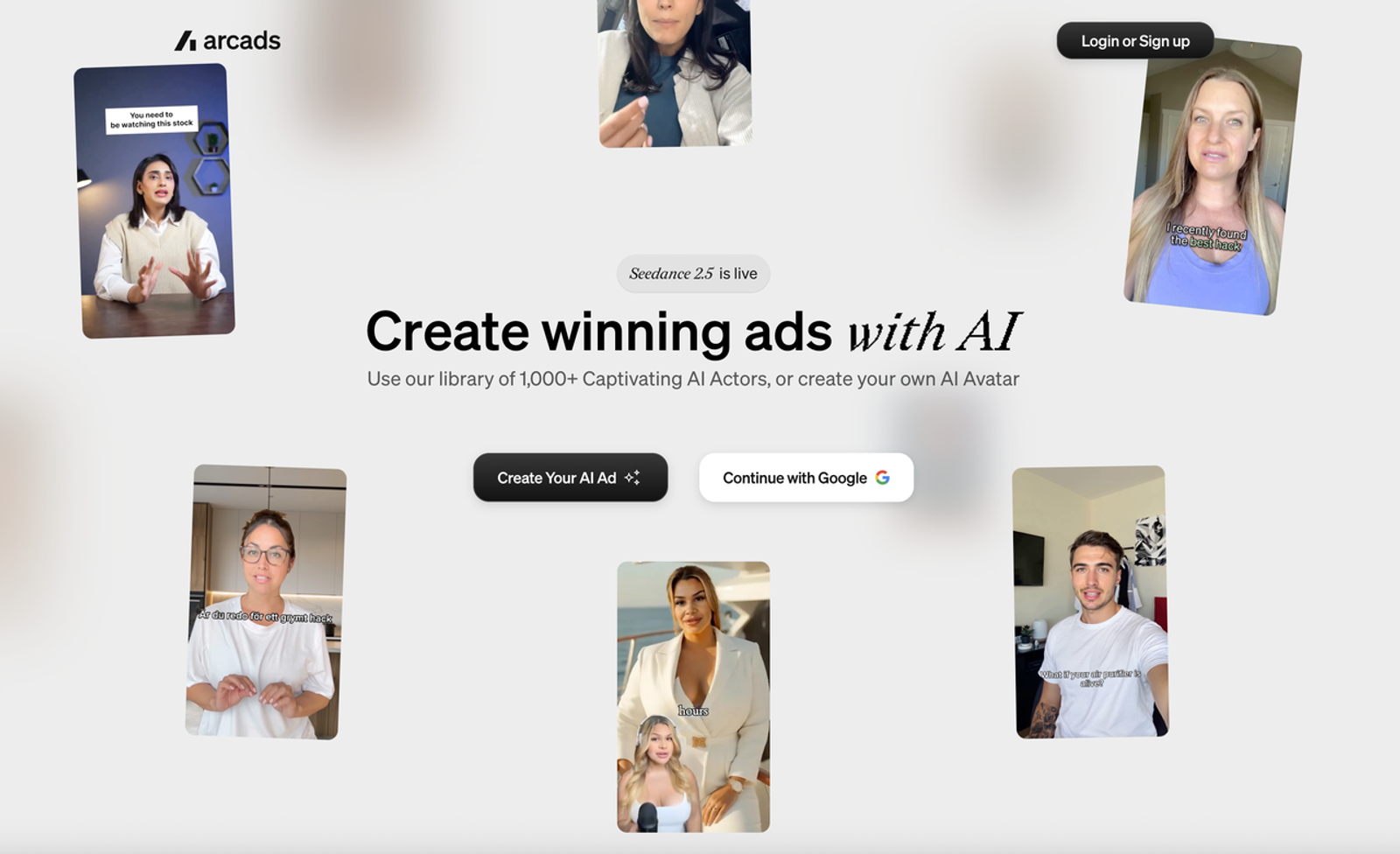
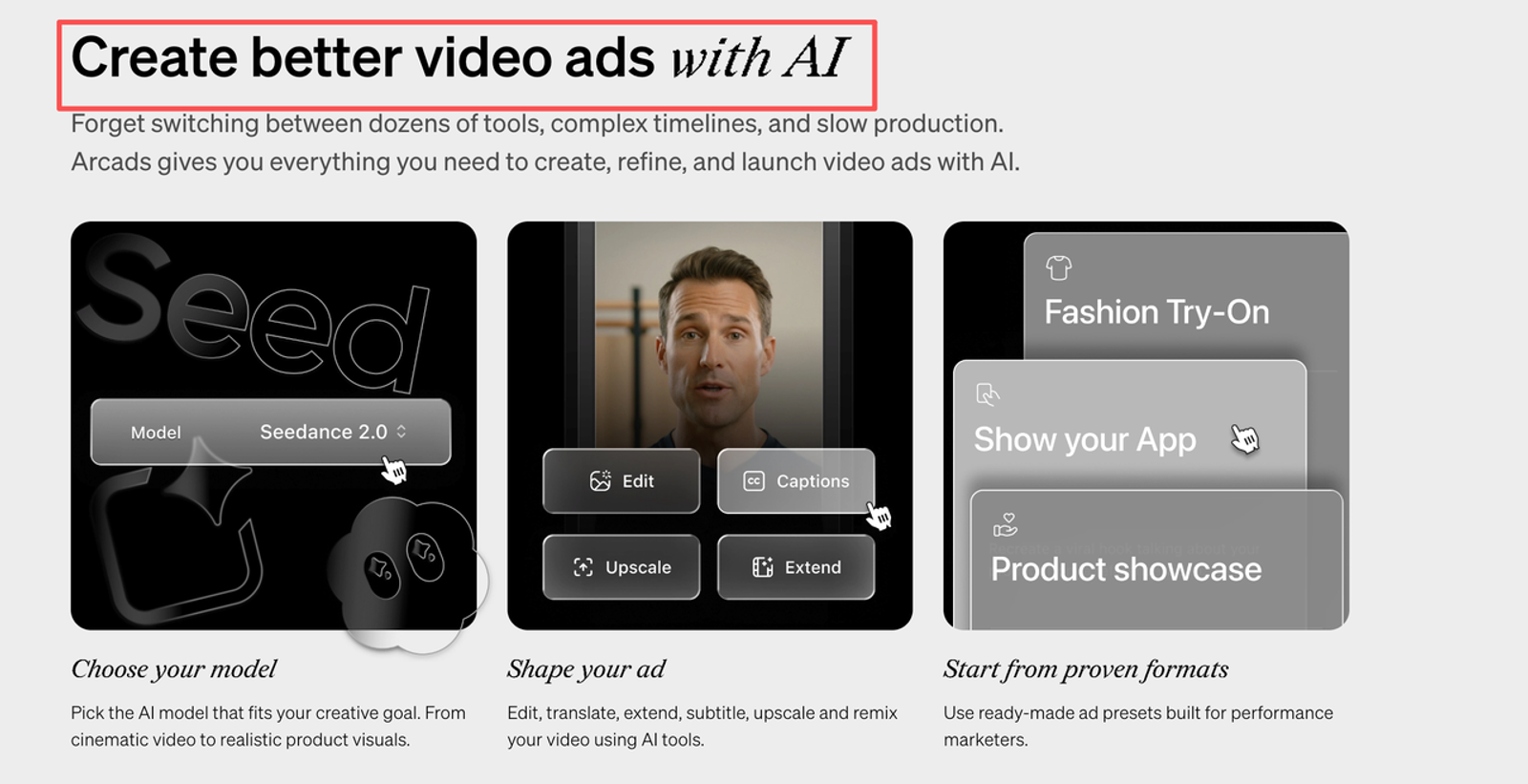
Arcads is designed for AI-generated ad creativity, especially actor-led UGC-style videos. Its public site presents a library of more than 1,000 AI actors, the option to create an AI avatar, and tools for shaping ads with captions, translation, actor replacement, product showcases, B-roll, and workflow automation. That tells me the main promise is not “make any video.” It is closer to “make many ad-like video versions without filming every actor and scene.”
Place AI Actors Inside the Wider Ad Workflow
The AI actor is the visible part, but it should not be the whole workflow. A product campaign still needs a real offer, a checked claim, a target audience, a platform format, and a review path. The actor delivers the script; the team still owns the message.
This matters because AI UGC ads can accidentally feel like fake testimonials if the script implies personal experience that never happened. For U.S.-facing campaigns, I would read the FTC’s consumer reviews and testimonials rule before writing “I used this and loved it” into a synthetic actor’s mouth.
Define the Product Campaign Used for Evaluation
My evaluation task would be simple: one product image, one short benefit-led script, one 9:16 vertical ad, and three actor variations. The goal is not a finished campaign pack. The goal is a first version a media buyer, client, or creative strategist can review.
I would define success like this: the product remains recognizable, the script does not overclaim, the actor feels believable enough for a feed ad, the edit can be finished outside Arcads if needed, and the team can compare variants without changing too many things at once.
Evaluate the Workflow From Brief to First Cut
The Arcads workflow starts to make sense when the brief is already tight. If the product positioning is vague, AI generation will only make vague content faster. Useful, but not magic.
Prepare the Script and Product References
I would start with a 20–30 second script and one clean product reference. Arcads’ getting-started guidance points users toward importing a product image, generating product visuals, turning images into talking videos, adding B-roll, translating content, and later automating with workflows. That is enough for a campaign test, but it still needs human prep.
The script should avoid invented customer experience. “This serum cleared my skin in seven days” is risky unless it is a real, substantiated testimonial. “This serum is designed for lightweight daily hydration” is safer if the brand can support it. The FTC’s advertising basics are plain about this: ad claims need to be truthful, non-deceptive, and evidence-based.
Control Actor, Delivery, and Product Presentation
Arcads offers several actor and video options. Its official help center lists Talking Actor models such as Arcads 1.0, Audio-Driven, and OmniHuman 1.5, plus video models including Sora 2, Sora 2 Pro, Veo 3.1, Kling 2.6/3.0, Seedance 1.5/2.0, Grok Video, and others. For product ads, I would not pick the fanciest model first. I would choose based on the shot: talking actor for direct response, product showcase for product-first creative, and B-roll when the ad needs texture between spoken lines.
The control question is not only “Can I choose an actor?” It is “Can I keep the campaign variable clean?” If actor, script, background, language, and hook all change at once, the test becomes noisy. For a fair first round, I would keep the script and product constant, then change only the actor or the opening hook.
Finish the Ad Beyond the Generated Performance
Arcads are not only generators. Its public help material lists editing-adjacent tools such as captions, translation, background removal, voice changes, upscaling, skin enhancement, hook repurposing, actor replacement, and video extension. This is useful, because generated performance is rarely the final ad.
I would still expect finishing work. Captions need checking. Product shots need checking. Claims need checking. Platform specs need checking. For TikTok, synthetic or manipulated media can trigger disclosure requirements, so the TikTok ad disclaimers page is not optional reading if that is your placement.
Test Output Quality Against Campaign Needs
A pretty AI actor does not automatically make a useful ad. The output has to survive the boring checks: product accuracy, visual credibility, script clarity, and revision workload.
Review Product Accuracy and Visual Credibility
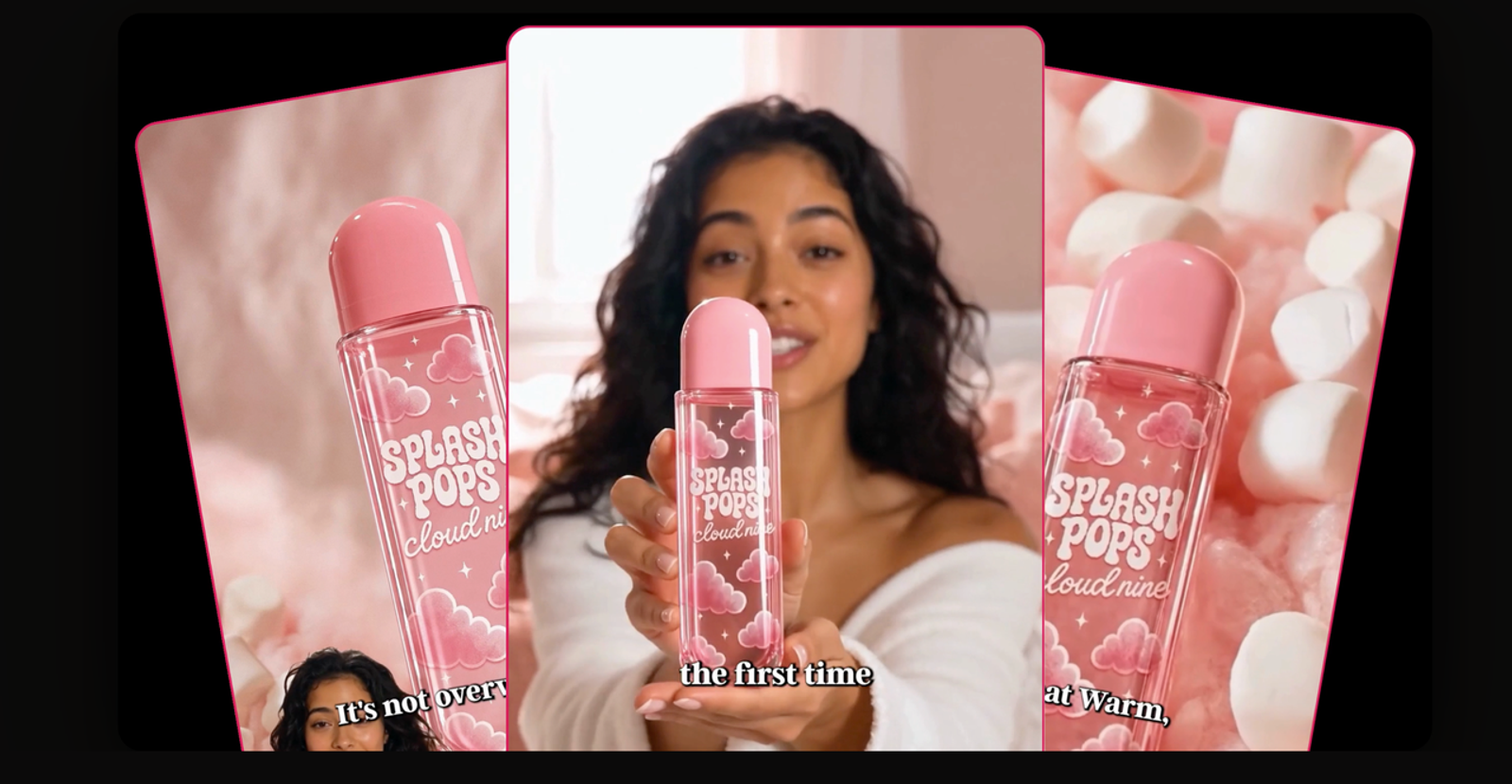
This is where I would slow down. Product labels, packaging edges, UI screens, ingredients, pricing, and before-after visuals are easy places for AI video to create trouble. If the product bends, the logo warps, or the claim becomes stronger than the brief, I would regenerate or edit before showing it to a client.
For Google placements, the review should also include the destination page and offer details, because the Google Ads misrepresentation policy focuses on clear, honest information about products, services, and businesses. The generated video is only one piece of the ad experience.
Compare Variants Without Changing Every Variable
Arcads looks more valuable when used for controlled variation, not random creative volume. A clean test might compare three actors reading the same script, or three hooks with the same actor and product shot. That makes the result easier to interpret.For campaign learning, I would separate creative quality from media performance. A video can look less polished and still earn attention in-feed; another can look expensive and still fail the hook. The IAB’s 2025 attention measurement framework is a useful reminder that exposure, engagement, and outcomes need clearer definitions than “this ad feels good.”
Identify the Operational and Brand Risks
The main risk with Arcads is not that it cannot generate ads. The risk is that a team treats generation as approval.
Validate Claims, Rights, and Approval Paths
Arcads’ own terms place responsibility for scripts, prompts, client-supplied elements, and commercial use on the client. The terms also say Arcads grants a non-exclusive license to generated videos, subject to restrictions, and cannot guarantee exclusivity because another user may create a similar result with similar inputs.
That is not unusual for AI generation, but agencies should document it. Before a synthetic actor ad goes live, I would want a simple approval record: product claim approved by brand/legal, synthetic actor use approved, disclosure checked for platform, product visuals reviewed, final export archived.
Estimate the Manual Work Around Generation
Credits are where I slow down. Arcads’ official help center says Starter includes 8,000 monthly credits and Creator includes 16,000; Starter and Creator credits reset each cycle and do not roll over. Pro, Scale, and Business plans can roll unused credits forward while active and allow overage billing. The official credit article also lists Talking Actor models at 800 credits per minute per actor, with length rounded up and multiple actors multiplying the cost.
I could not verify a public official dollar-pricing page without logging in. So I would not base a buying decision on third-party price screenshots alone. Check the live billing screen before purchase, then map credits to real output: usable first cuts, regenerations, captions, translation, upscaling, and actor replacement.
Compare Arcads With Relevant Workflow Alternatives
Arcads fits best against tools that promise AI actors, AI UGC ads, and fast product ad production. I would compare alternatives by workflow shape, not by homepage claims. Some tools may be stronger for product URL ingestion, some for avatar training, some for video editing, some for paid-social launch support, and some for localization.
A fair comparison should use one brief, one product, one target format, and one review sheet. Judge actor believability, product preservation, script control, editing workload, export quality, credit predictability, workspace permissions, and approval support.
Decide When Arcads Fits a Product Campaign
Arcads fits when the campaign needs actor-led creative volume, fast UGC-style drafts, controlled script variants, multilingual versions, or product-focused short ads that do not justify a fresh shoot every time. It is especially interesting for agencies and product marketers who already know how they will review and test creative.
I would be more cautious if the campaign depends on deep emotional trust, regulated claims, celebrity-like likeness, medical or financial outcomes, or exact product demonstration. In those cases, AI actors can still help with drafting, but the approval burden gets heavier.
My verdict: Arcads is worth evaluating for product campaigns if you treat it as a first-cut and variation engine. I would not treat one good generated ad as proof that the workflow is stable. One good result is nice. A repeatable process is what actually matters.
FAQ
- Can Arcads exports continue inside a separate video editor?
- Yes, but check the permitted modifications in the terms. Arcads’ terms allow certain changes such as cropping, adding music, text, subtitles, emoji, B-roll, GIFs, sound effects, changing format, and adding the client’s name, brand, or logo. For heavier edits, I would confirm whether written approval is needed.
- How should teams document approvals for synthetic actors?
- Keep a campaign folder with the script, product references, actor choice, platform disclosure decision, claim approval, final export, and reviewer names. Boring? Yes. Useful when a client asks what was approved? Very.
- Who verifies product claims before generating script variants?
- The brand or advertiser should verify claims before generation. The creative team can draft variants, but product, legal, regulatory, or compliance owners should approve claims before the synthetic actor says them.
- What access controls matter for an agency workspace?
- At minimum, separate client workspaces or folders, limit who can generate or export, protect billing access, and record who approved final assets. API credentials should be stored securely, especially because Arcads’ API guidance says the client secret is only visible when generated.
- How long should generated campaign assets be retained?
- Keep final ads, approval notes, scripts, and source references for the campaign’s normal audit window. For regulated categories or client work, follow the client’s retention policy. Do not keep face, voice, or product assets longer than needed just because storage is easy.