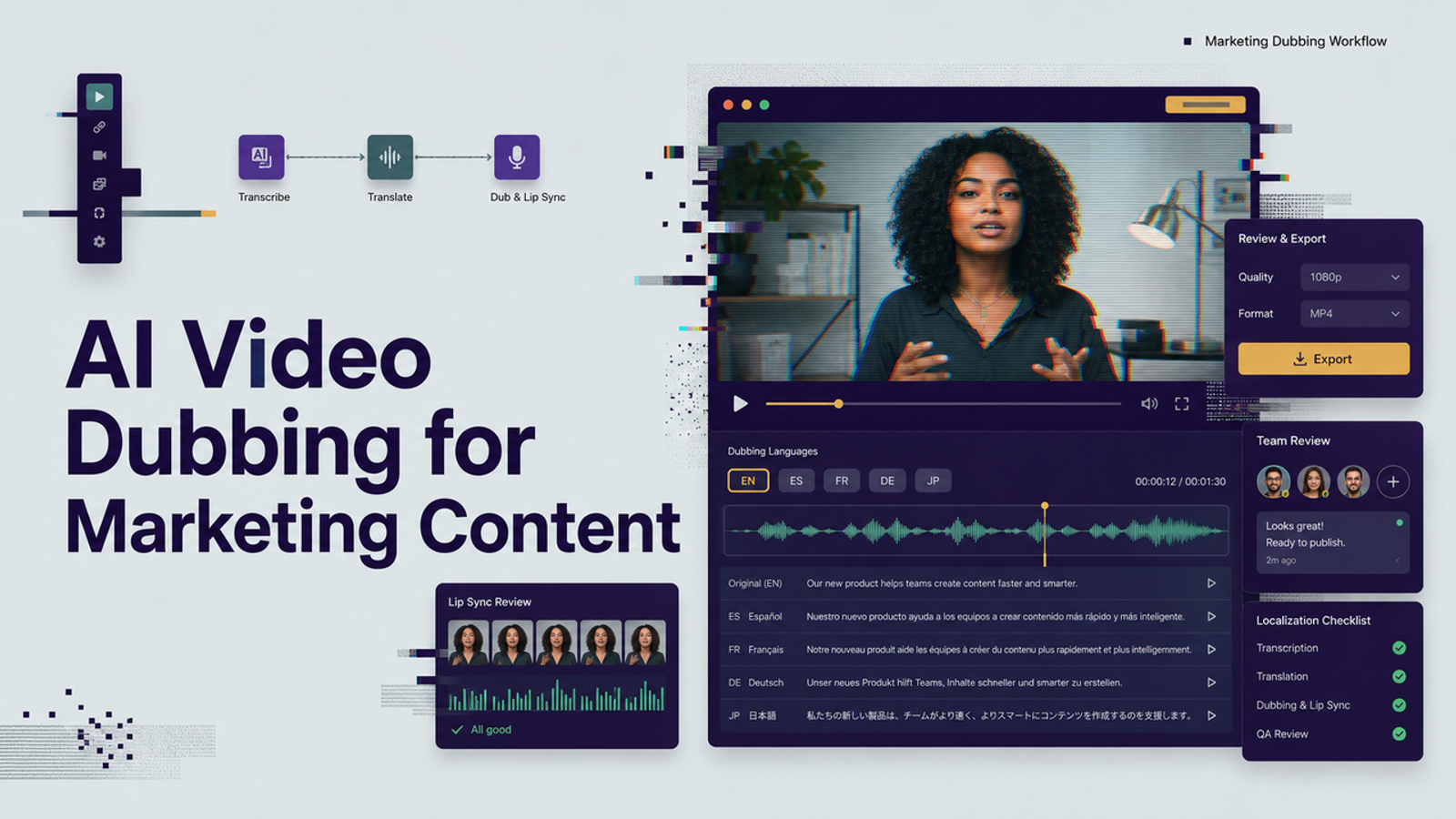
I’m Vela, and when I look at AI video dubbing, I don’t start with the smoothest demo voice. I start with the part most marketing teams actually worry about: can one approved video become a clear, natural, legally safe version for another market without creating more review work than it saves?
AI video dubbing can be genuinely useful for global campaigns, but only when it stays inside a proper localization workflow. The transcript needs to be clean. The translated meaning needs to hold. The voice has to fit the brand. Timing, lip sync, captions, on-screen text, consent, and data handling all need a second look. Useful, yes. Magic, no.
That is the lens I would use here: not “can AI speak another language,” but “can this dubbed version survive a real marketing review?”
What AI Video Dubbing Changes
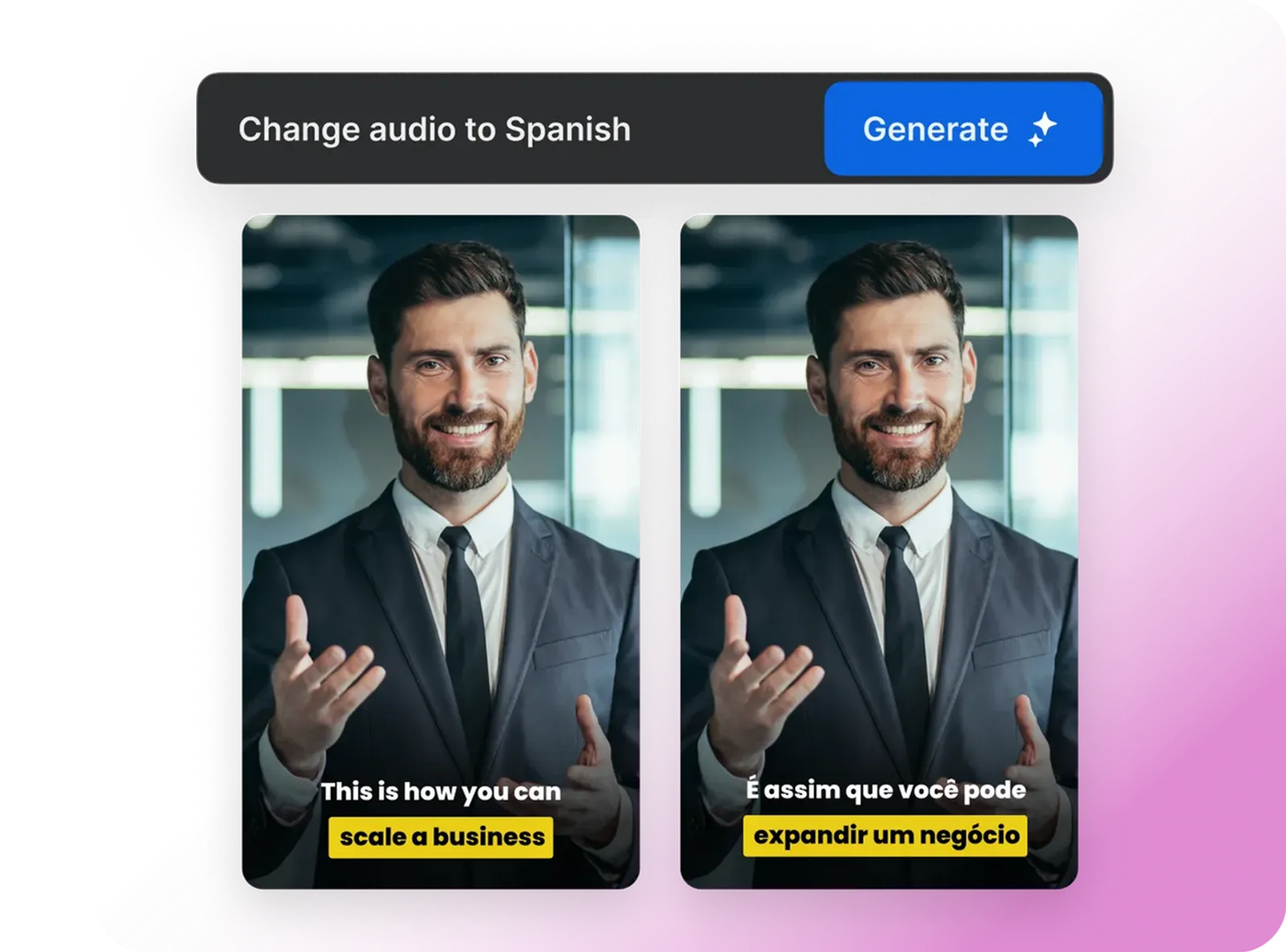
AI video dubbing changes the spoken layer of a video. In some workflows, it also adjusts timing, creates AI multilingual voiceover, generates subtitles, and uses lip sync dubbing to make the speaker’s mouth movement better match the new language. That can save a team from reshooting the same product explainer, founder update, webinar clip, or social ad in every language.
But dubbing is not the whole of marketing video localization. It does not automatically fix a claim that is too aggressive for one market, a joke that does not travel, a currency shown on screen, or a legal line that needs local approval. As of September 2026, teams publishing in or for the EU also need to pay attention to the EU AI Act transparency obligations, especially where AI-generated or manipulated audio and video could appear authentic.
The best AI video dubbing workflow is boring in the right way: locked transcript, approved voice, timing rules, review owners, caption exports, and consent records. The voice is the shiny part. The workflow is what makes it usable.
Prepare the Transcript and Timing
I would start with the transcript before touching the voice. If the transcript is messy, the dub will inherit that mess and make it sound more confident. That is a terrible combination.
Create a clean source transcript with speaker names, timecodes, product names, claims, acronyms, URLs, and words that should not be translated. Lock it before translation. If the source video has overlapping speech, background music, or fast product claims, mark those sections early.
Timing is not just technical. A good video translation voice over script may need to shorten a sentence, move a phrase, or swap a direct translation for a cleaner local version. I would rather approve an adapted line that lands on time than force a literal line that makes the speaker rush.
Choose the Voice Approach
Synthetic Voices and Voice Clones
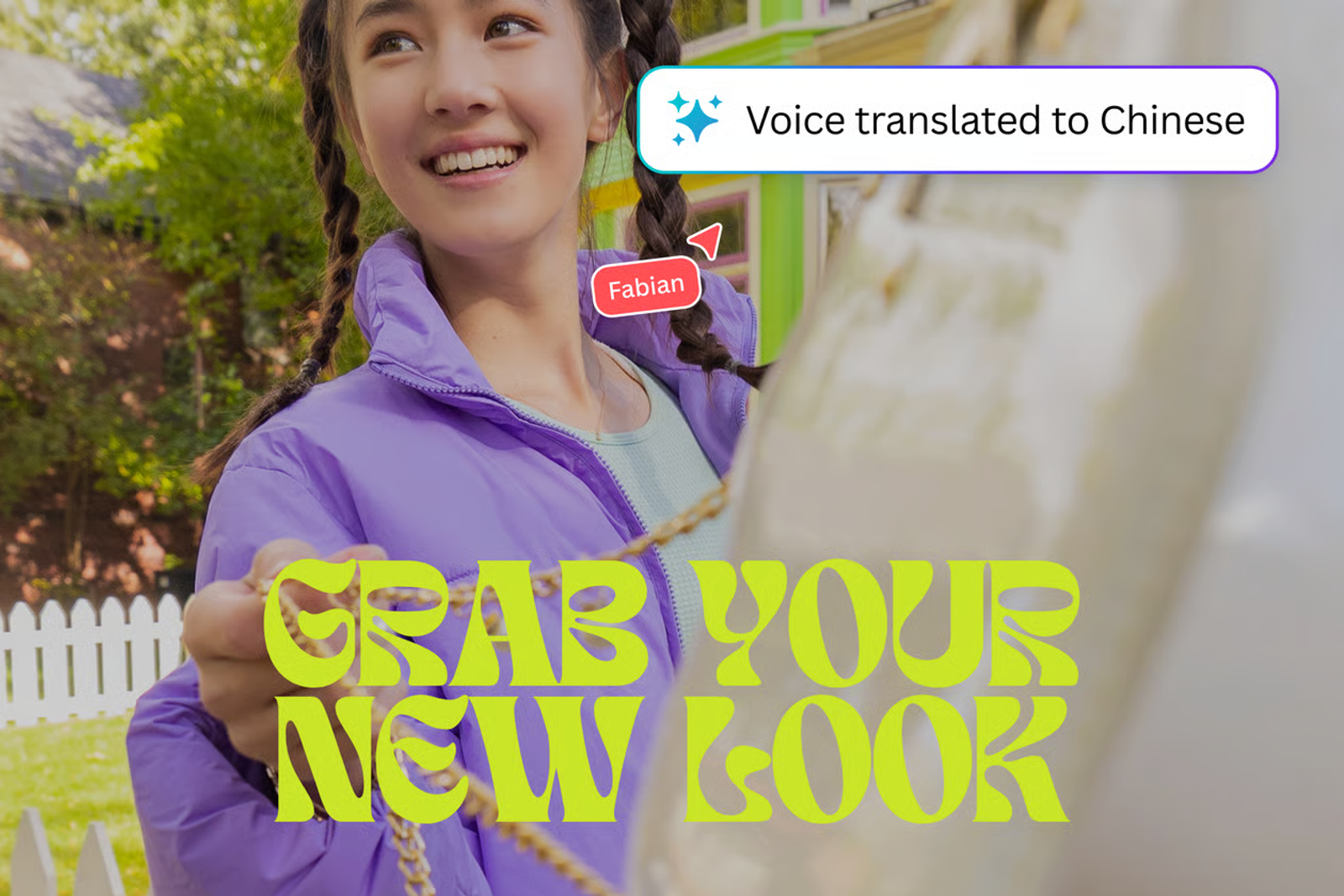
Marketing teams may choose between a synthetic voice and an existing speaker’s cloned voice. A synthetic voice is usually easier to govern because it does not pretend to be a specific real person. It can work well for product explainers, onboarding clips, announcement videos, and simple campaign variants.
Voice cloning is where I slow down. If the voice belongs to a founder, employee, customer, creator, or actor, get separate consent for cloning and campaign dubbing. Do not assume that permission to use a recorded video also means permission to generate new speech in that person’s voice. The U.S. Copyright Office’s work on AI and digital replicas is a useful reminder that voice and likeness sit inside a bigger rights conversation.
Tone, Accent, and Brand Fit
A fluent voice can still be wrong for the brand. I usually listen for pace, warmth, confidence, and pronunciation of brand terms.
Accents need care. Do not use accent as a costume, a joke, or a lazy signal of identity. The goal is not cartoonish “native” sound. The goal is for the viewer to keep listening.
Build the Dubbing Workflow
A safe AI video dubbing workflow should move in stages, not one giant upload-and-export jump. Before choosing a vendor, check language coverage, subtitle exports, file limits, audio formats, pricing, data retention, voice model storage, deletion options, and whether voice clone consent is built into the workflow or left entirely to you.
This is also where brand safety comes in. The FTC has warned about AI impersonation risks and proposed stronger protections around individual impersonation; that does not make every dubbed marketing video fraud, but teams should keep identity, permission, and deception risk visible through AI impersonation protections.
Review Meaning, Timing, and Lip Sync
I would review the dubbed video in three passes. First, a native speaker watches it without the source video and checks whether the message feels natural. Second, someone compares it against the approved transcript and product claims. Third, a video reviewer checks timing, lip sync, cuts, and whether any mouth movement becomes distracting.
Lip sync does not need to be perfect to be useful, but it does need to stay quiet. If the viewer starts watching the lips instead of listening to the offer, the dub is losing. I would be more forgiving on an internal training clip than on a paid ad with a close-up speaker.
Fix On-Screen Text and Captions
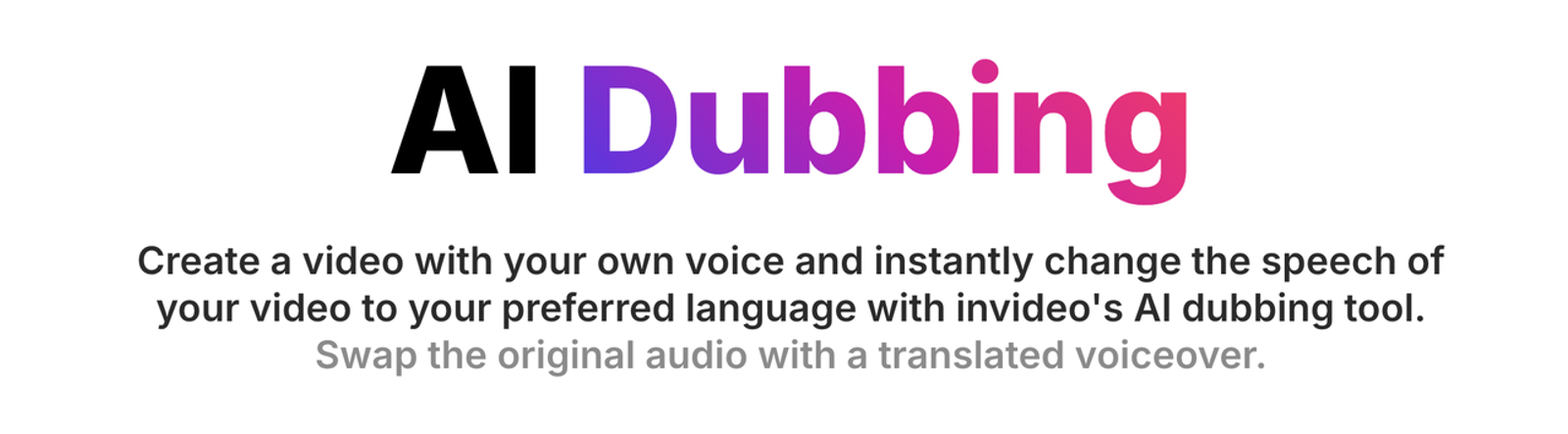
Dubbed audio can make a video understandable, but on-screen text can still betray the source market. Product labels, UI screens, pricing cards, legal disclaimers, lower thirds, and end cards all need a separate review. If the spoken line says one thing and the screen says another, the video feels careless.
Captions should not be treated as a leftover file. Keep translated captions in a clean format, check timing against the final dubbed audio, and test them on the platform where the video will run. The WebVTT specification is useful for understanding web caption tracks, but your team should still confirm what each channel accepts.
Best-Fit Marketing Use Cases
AI video dubbing is strongest when the source video is clear, the message is stable, and the speaker does not carry the whole emotional weight of the campaign. Product explainers, feature demos, SaaS walkthroughs, webinar highlights, ecommerce ads, and internal training videos can all be good candidates.
I would be more careful with testimonials, medical or financial claims, humor-heavy scripts, creator content, and founder videos where trust depends on a specific personal tone. These are not impossible, but they need stronger consent, local review, and legal sign-off.
Limitations and Human Review
The main limitation is not that AI dubbing always sounds robotic. Sometimes it does, sometimes it does not. The bigger issue is that a confident dub can hide translation mistakes, consent gaps, disclosure problems, weak data policies, or a voice choice that feels wrong for the market.
For repeatable localization workflows, document which files are uploaded, where voice models are stored, how long data is retained, who can delete assets, and whether the vendor uses uploaded content for model improvement. The NIST Generative AI Profile is a useful risk-management reference because it frames generative AI as something teams need to govern, not just admire in a demo.
Human review is not optional. Use AI video dubbing to reduce repeated production work, not to remove the people who understand language, brand, law, and context.
Conclusion
AI video dubbing can turn one approved video into multilingual campaign assets, but only when the workflow stays disciplined. The transcript has to be clean. The voice has to be approved. The timing has to survive translation. Lip sync needs review. Captions and on-screen text need their own pass. Consent, disclosure, file handling, data retention, and deletion terms all need to be checked before the workflow becomes routine.Useful, but not magic. That is the honest version.
FAQ
- Can brands dub speakers without separate voice consent?
- I would not treat that as safe by default. If a real person’s voice is cloned or simulated, get explicit permission for that use, including language versions, campaign channels, duration, and whether new lines may be generated.
- Who owns cloned voices created for campaign dubbing?
- Ownership and usage rights depend on the vendor contract, the speaker agreement, and local law. Do not assume the brand owns the voice model just because it paid for the campaign.
- Do dubbed videos need synthetic audio disclosure labels?
- Sometimes, yes. It depends on the market, content type, platform rules, and whether the content could mislead viewers into thinking it is fully authentic. Check disclosure rules before publishing.
- How should teams handle accents tied to protected identities?
- Carefully. Let local reviewers guide pronunciation and tone, avoid stereotypes, and do not use accent as a shortcut for ethnicity, nationality, class, or personality.
- Can vendors delete stored voice models after delivery?
- Some may offer deletion controls or enterprise retention terms, but you need to verify this in the vendor’s data policy or contract. Ask what is stored, for how long, who can access it, and how deletion is confirmed.