The short answer
I’m Vela, a freelance creator who tests AI video workflows with a practical question in mind: what will one usable clip actually cost? Here is the current official answer.
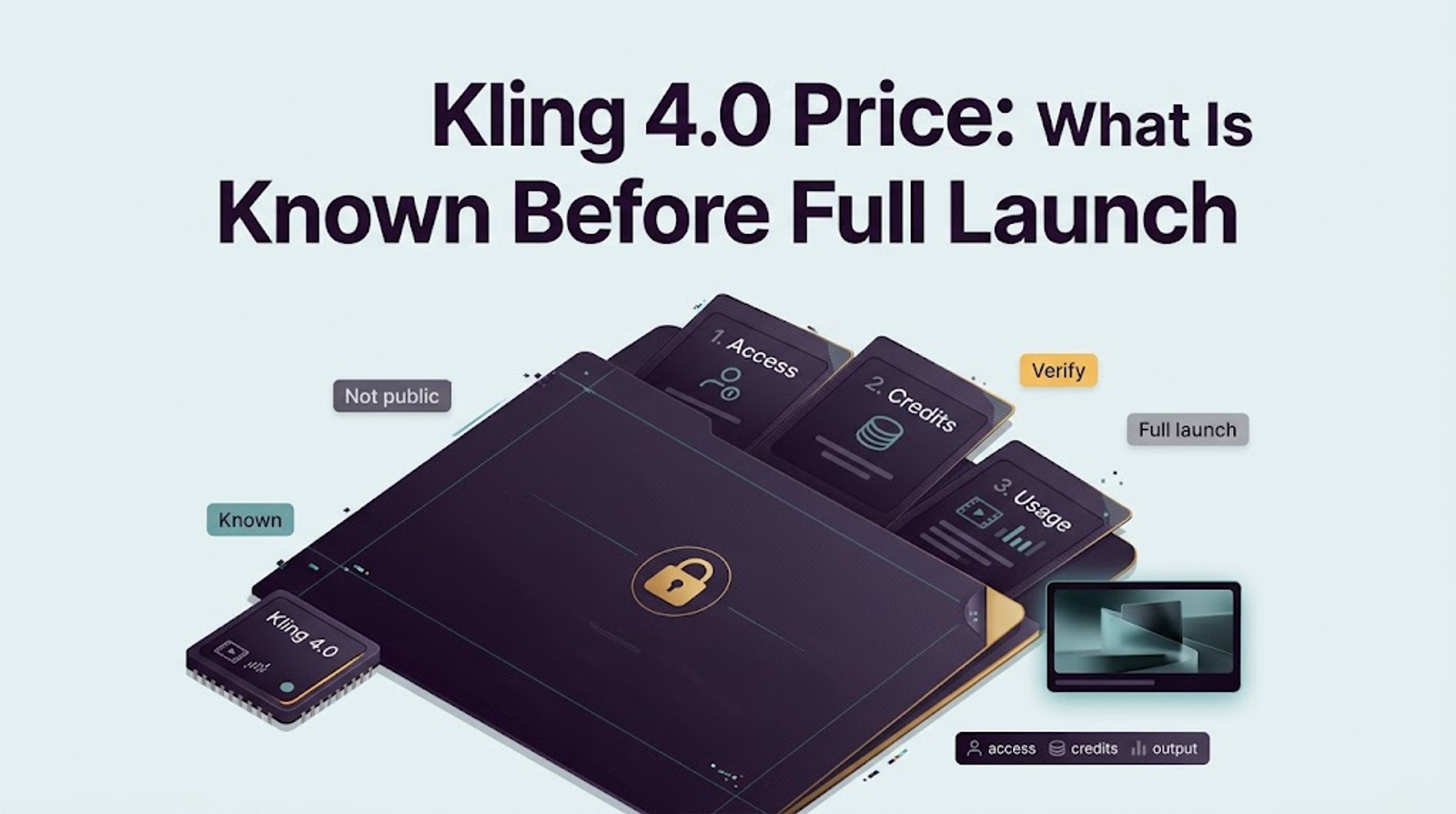
Kling 4.0 price per generation: not published. Kling 4.0 Flash generation price: not published. Official credit purchase standard: $1 buys 66 credits. Current app membership floor: plans start at $6.99, but that is a general membership price, not a Kling 4.0 rate or proof of 4.0 access.
If you arrived asking “how much does Kling 4.0 cost?”, the Kling 4.0 cost per generation is the missing figure; the credit conversion and general plan floor are the numbers currently on record.
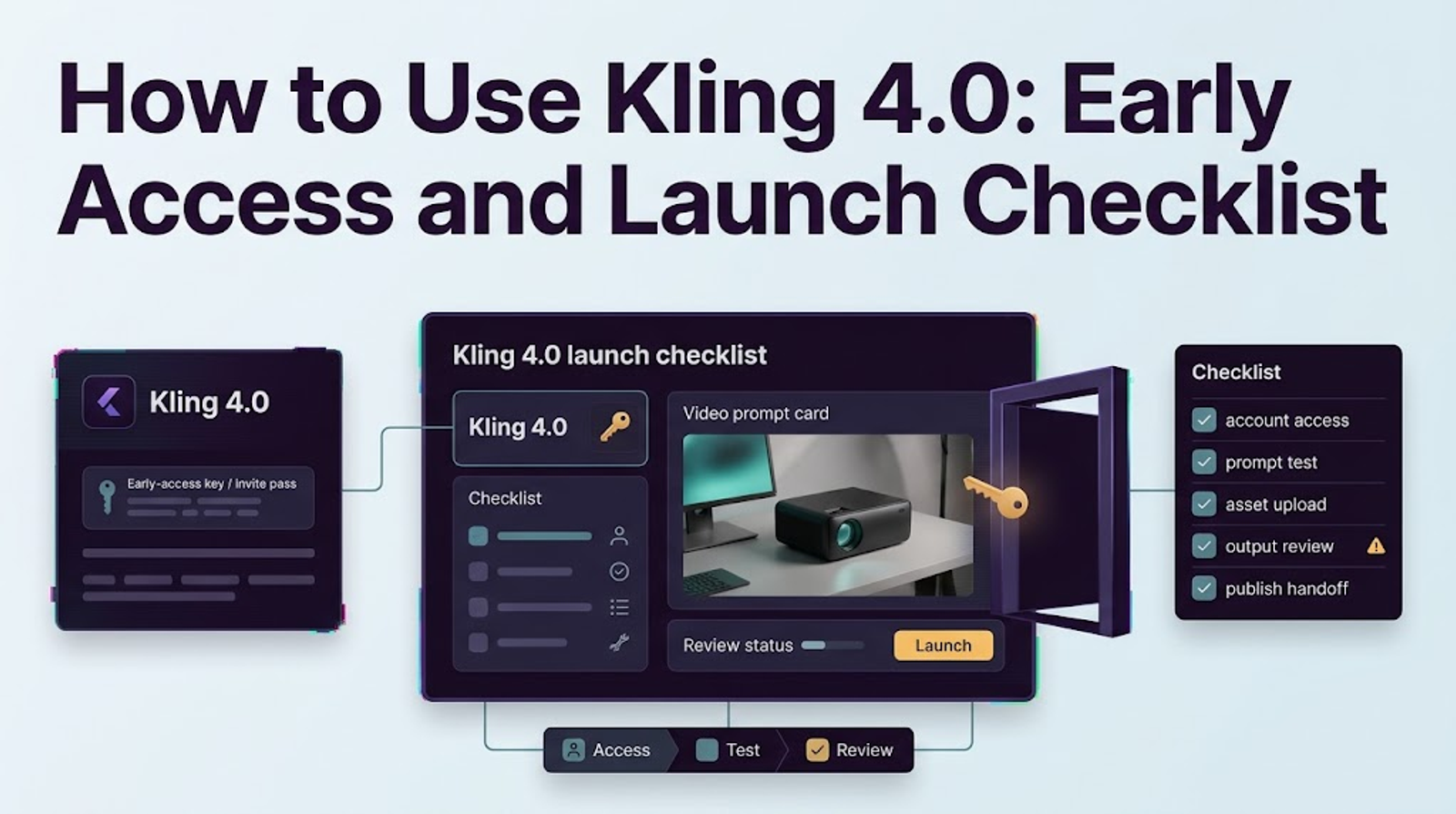
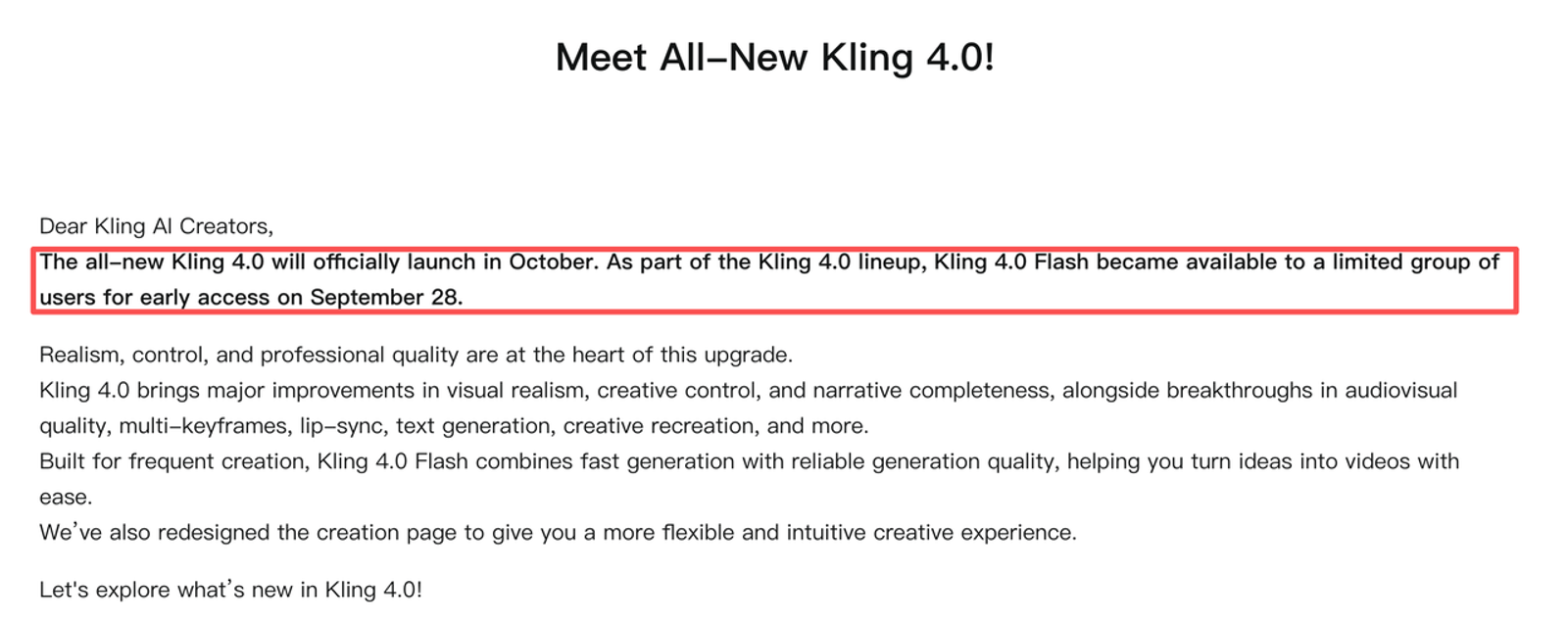
The official Kling 4.0 release notice announces the full model for October and Flash early access, but gives no 4.0 credit charge. During my October 14 check, the homepage still said “Kling 4.0 Is Coming Soon,” the developer portal marked it Preview, and the account model menu showed Video 3.0 options rather than full 4.0. That account check shows limited access, not universal availability. Once a 4.0 quote appears, divide its displayed credits by 66 for a standard purchase-equivalent estimate in US dollars, before promotions or subscription allocations.
What Has Kling Actually Priced?
Kling’s Credits Policy sets the standard purchase rate at $1 for 66 credits. It also says the generation charge is whatever the interface displays at that time and that failed generations receive a credit refund.
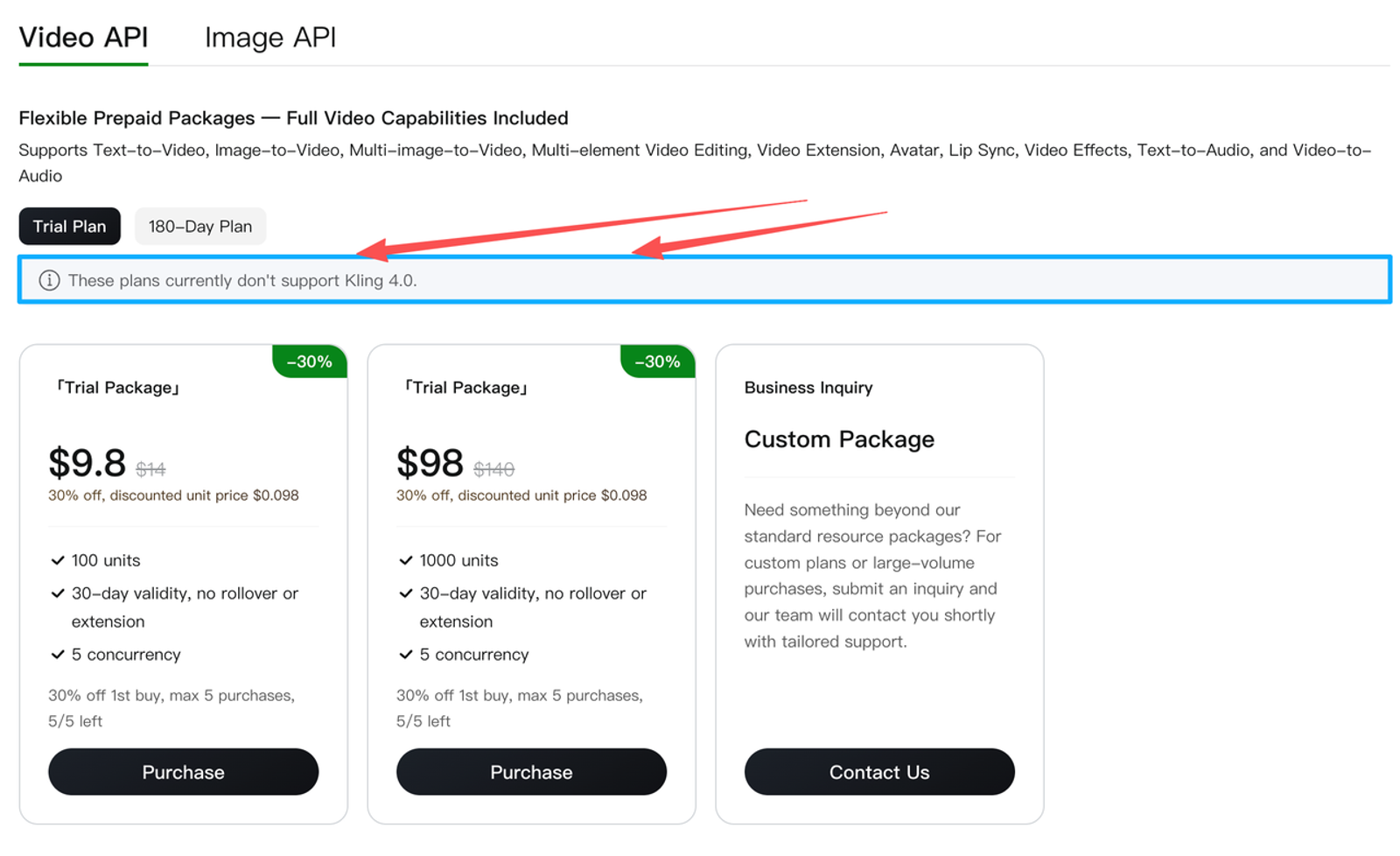
That distinction matters. A $6.99 membership starting price describes entry to a plan. The Ultra Annual message describes Flash eligibility. Neither reveals a five-second clip’s credit use. I would not fill that gap with Kling 3.0 consumption or a third-party API quote. App credits, membership fees, and API resource packages are also separate purchasing routes; placing them in one cost column creates a number that cannot be audited.
How Does Flash Early Access Affect a Team Budget?
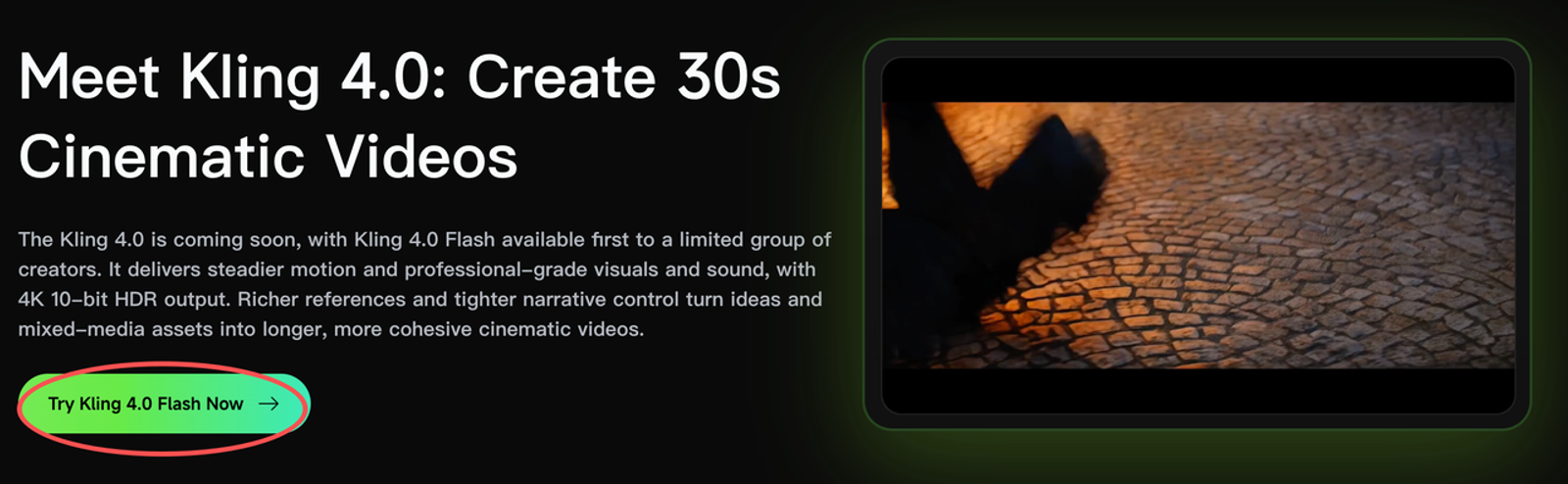
Flash currently changes the cost of access more clearly than the cost of output. Kling’s app identifies Ultra Annual subscribers as the early-access audience, so a new team may need an annual commitment before it can see the Flash generation quote. An existing qualifying subscriber may already have access, but that still does not make each generation free.
For budget purposes, separate access cost from usage cost. Access cost is the membership required to reach the model. Usage cost is the credits deducted for the chosen duration and settings. Record both from the actual account, because a discounted renewal, regional price, or promotional balance can change one without changing the other.
This also answers “is Kling 4.0 free?” and “how to use Kling 4.0 for free.” Kling has not announced a universal free tier or dedicated Kling 4.0 free trial. Promotional credits may reduce a test’s cash outlay, but they do not prove model eligibility, and their permitted uses follow the campaign and account interface.
Estimate the Cost of One Approved Product Ad
The number a brand needs is the cost of an approved clip, not the charge for the first generation. I would calculate it this way:
Cost per approved clip = (generation charges for all completed attempts + allocated access or export cost + editing, licensed assets, and review labor) ÷ approved clips
Once the 4.0 interface displays a quote, save the model name, mode, duration, resolution, aspect ratio, audio setting, region, date, and quoted credits before clicking Generate. Afterward, record the actual deduction rather than assuming it matches an older model.
Account for Rejected Takes and Revisions
The largest cost swing is usually the number of completed attempts that fail brand review. A clip can finish normally yet change package geometry, misspell a label, move a logo, invent an unseen product side, or introduce motion that makes a claim misleading. Those are production rejections, not platform failures, so they should remain in the campaign budget.
Track billed attempts per approved clip instead of borrowing a generic retry multiplier. If three completed takes cost the same amount and only one passes, the generation component is three times the displayed charge. That is a result for your brief and approval standard, not a universal claim about Kling 4.0 quality.
Kling’s policy says credits are refunded when generation fails. Save the task ID, error state, and credit record because a technical failure differs from a completed file that the team dislikes.
Include Export and Review Needs
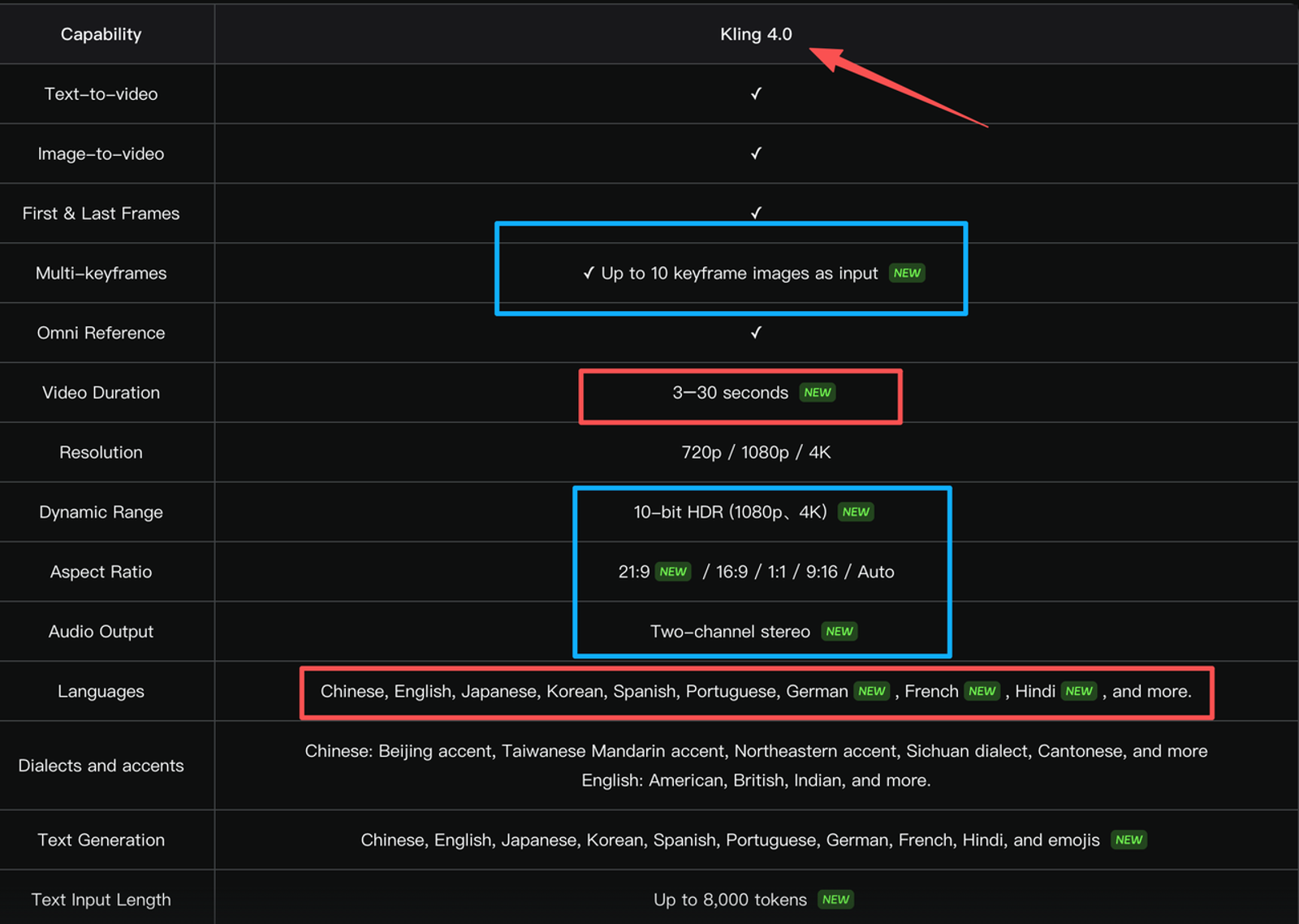
Generation is only the source asset. Add the time or tier required for clean export, watermark treatment, trimming, approved typography, licensed audio, placement crops, and final encoding. Someone must also compare the opening, midpoint, and final frames with the authorized product image.
I would keep human work visible rather than hiding it under “free editing.” A cheap generation that needs label reconstruction and motion repair can cost more than a higher-priced take that reaches review unchanged.
What Should You Check Before Buying Access?
First, confirm the exact model name shown in the account. “New creation page,” Flash, and full Kling 4.0 are not interchangeable. Then capture the membership charge, renewal term, included credits, credit expiry, cancellation date, and the generation quote for the settings you intend to use.
Kling’s paid-service terms say membership benefits and prices follow the purchase interface. They also state that subscription credits generally expire one month after distribution, while purchased credits are valid for two years. Cancellation stops renewal rather than reversing an activated purchase. Save the offer and terms shown when the team buys access.
Keep app and API procurement separate unless the relevant console explicitly documents a shared balance. Set a maximum pilot spend before testing, and do not commit a production budget until the interface exposes the 4.0 charge and required export conditions.
Conclusion
The usable official Kling 4.0 price inputs on October 14, 2026 are $1 for 66 credits and app memberships from $6.99; neither alone prices a 4.0 clip. When the interface exposes its credit quote, convert that amount, multiply it by every billed attempt required for approval, and add access, export, editing, assets, and review before committing a campaign budget.