AI video generation is the process of turning a written shot, a still, or a reference into a short moving clip. I use it as a production pass with a dated model list, not as a magic button. On 20 September 2026, Google Keyword Planner put United States search volume for this phrase in the 10,000 to 100,000 band, with a 900 percent year-over-year jump and low competition. The nearby phrase “ai video generation platform” sits in the same volume band, with higher top-of-page bids.
That mix tells me people want the method and a place to run it. This article is the method I use with marketing teams: how one pass works, which public ranks I trust this week, and where the clip still fails a brand review.
What is AI video generation in practice
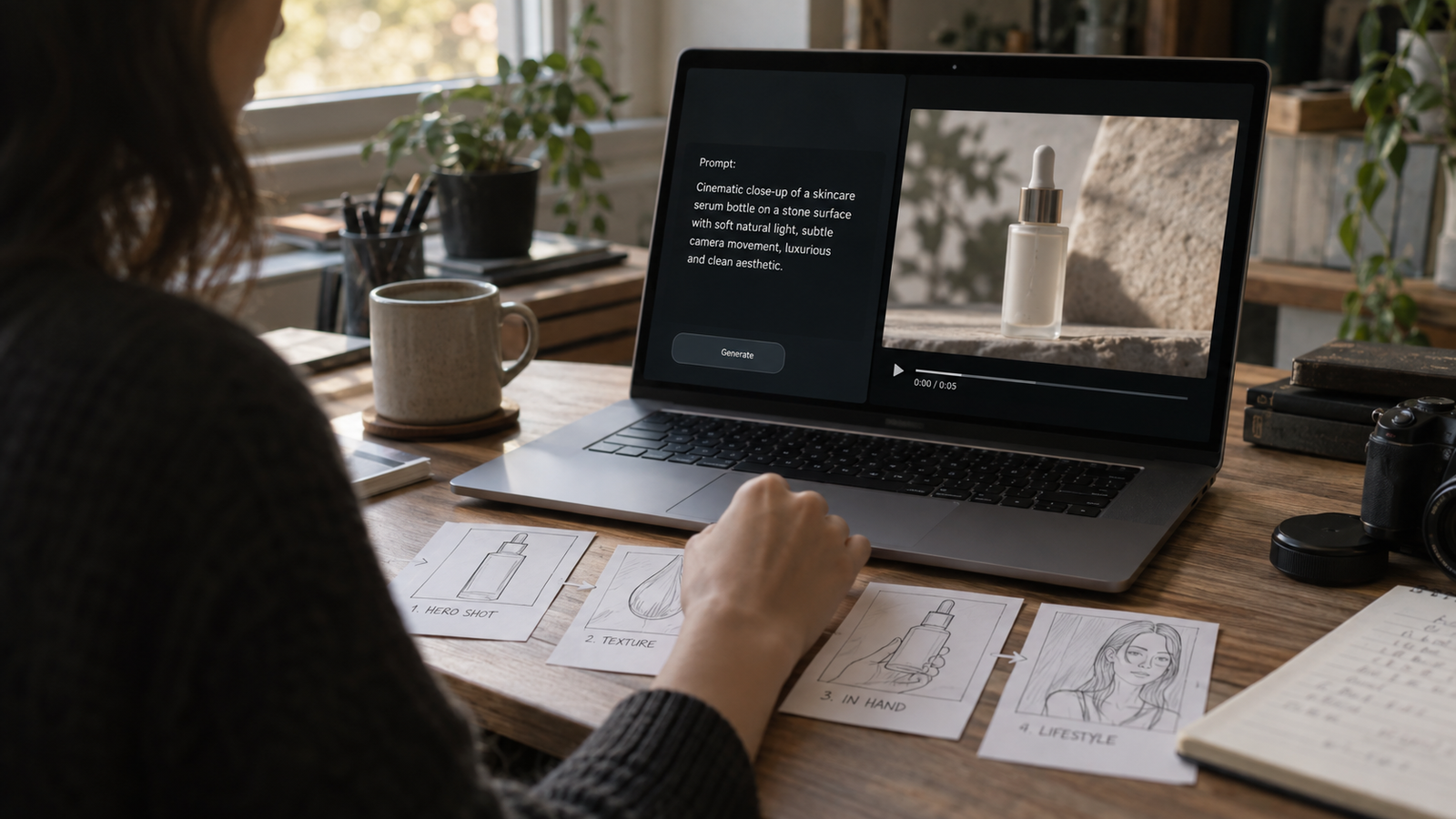
In a real brief, AI video generation has three common inputs. Text to video invents the frame from words. Image to video animates a still you already approved. Reference to video tries to keep a character, product, or style from one or more guides. Wizstar’s AI video generator describes those three paths on one login, with Seedance 2.5, Kling 3.0 Omni, and MiniMax H3 listed as the live models.
I do not start by picking a famous name. I start by asking which input already exists. If the pack shot is approved, image to video is the pass. If only a script exists, text to video is the pass, and I expect more revision.
The output is still a short clip. Treat duration, resolution, and audio as model limits you record on the day you generate, not as a permanent spec.
How does a generation pass work
I run the same five steps every time.
- Lock the brief. One product, one claim, one ratio, one 6 to 12 second action.
- Choose the input. Still, reference, or text. Do not mix all three on the first take.
- Pick one model. Generate three variants. Change camera, motion, or one prompt line, not all three.
- Score the take. Identity, motion, on-pack text, audio match, and cleanup minutes.
- Decide. Keep, revise once, or stop and shoot the hero live.
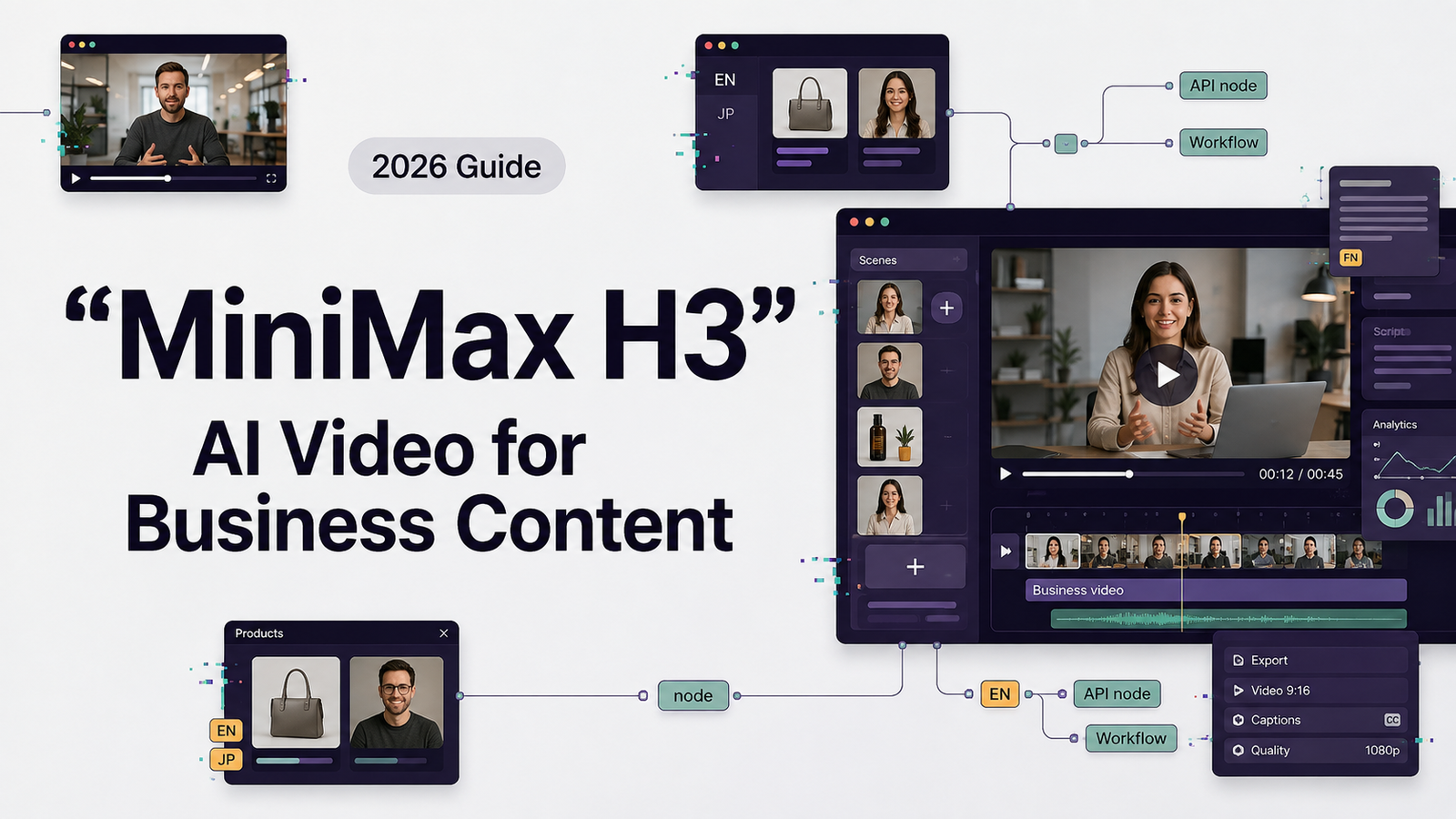
I use the same scoring habit I described for MiniMax H3 business content: ordinary assets beat launch reels. If a clip needs more than one editing hour before a brand review, the model did not earn the next variant.
Which models should you compare this week
Public ranks move. I recency-stamp them.
On 20 September 2026, the Artificial Analysis text-to-video leaderboard showed Wan 3.0 at Elo 1243 on the with-audio board, then Gemini Omni Flash at 1238, Minimax H3 Max by fal at 1231, MiniMax H3 at 1225, and Dreamina Seedance 2.0 720p at 1220. Kling 3.0 Omni 1080p Pro sat at 1090 on that same dated table. Those scores are blind-vote Elo values, not a guarantee that your product still will hold.
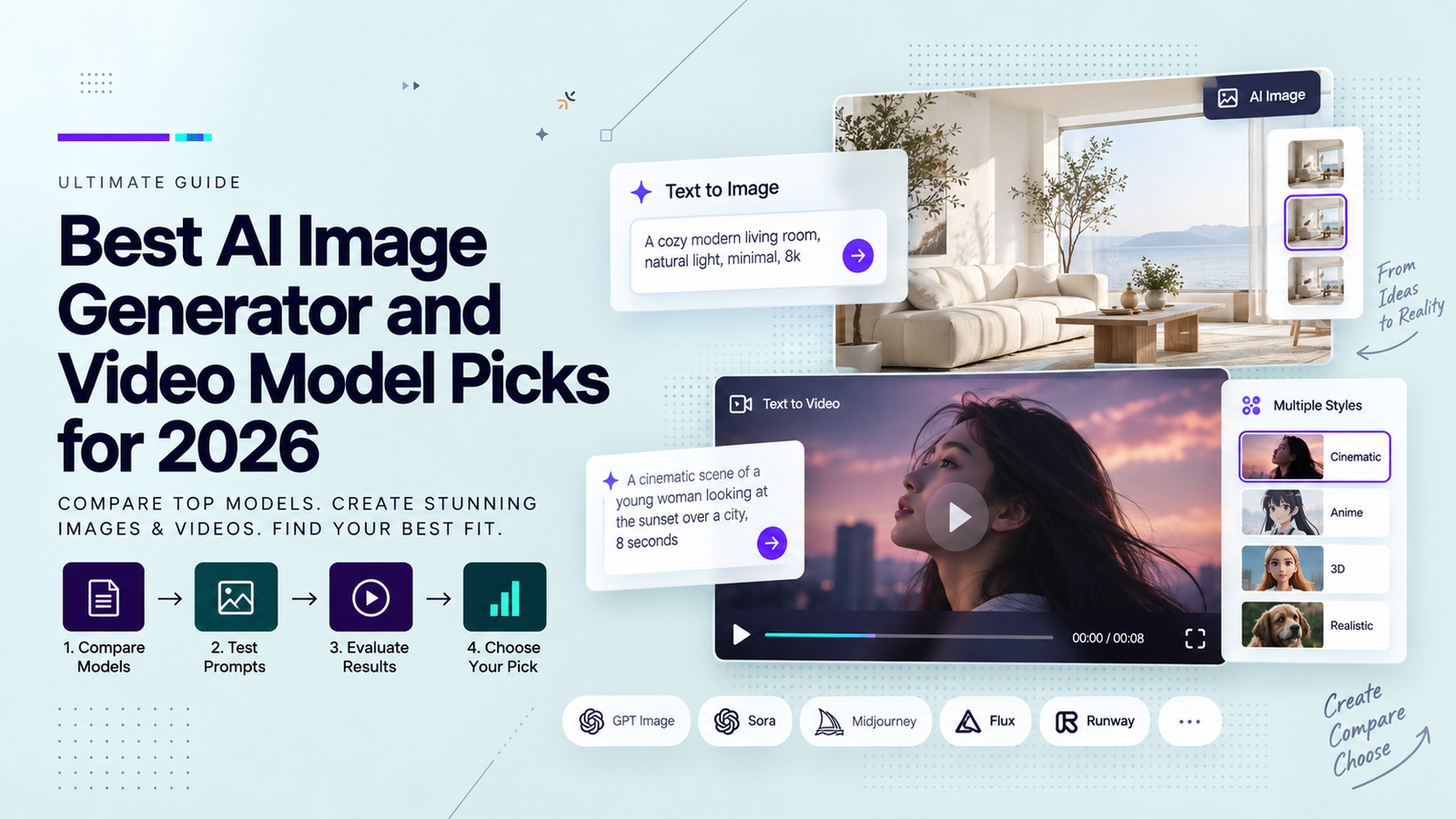
Wizstar’s live feature page is a different artifact. It is a place to run Seedance 2.5, Kling 3.0 Omni, and MiniMax H3 without a separate login per model. I use the leaderboard to shortlist. I use the platform to generate the three variants. For a fuller quality-versus-price table, see the best AI image and video model picks for 2026.
Do not freeze a launch-week rank. Re-check the board the morning you commit budget.
What breaks in production clips
The failures I see are boring, and they are the ones that kill a take.
Product identity drifts after the first second. Pack text turns into near-letters. Hands and jewelry smear. Audio, when the model outputs it, does not match the action. A 9:16 crop that looked fine on a 16:9 preview loses the label.
Those breaks are why I keep a human pass on claims. The FTC advertising guidance does not pause because the clip was generated. If the brief names a result the product cannot prove, I will not ship the take, no matter how smooth the camera move is.
I also refuse to treat “platform” as a synonym for “done.” Keyword Planner’s “ai video generation platform” idea carries higher bids than the head term. That is a shopping query. A platform still has to survive the score sheet.
How should a team pick a platform
I pick a platform the way I pick a studio: can I run more than one model on the same still, can I start without a new vendor login, and can I download a clip the same day. Wizstar’s page states that new users get free credits and can start without a credit card. I use that for the first sheet, then I judge on revision cost.
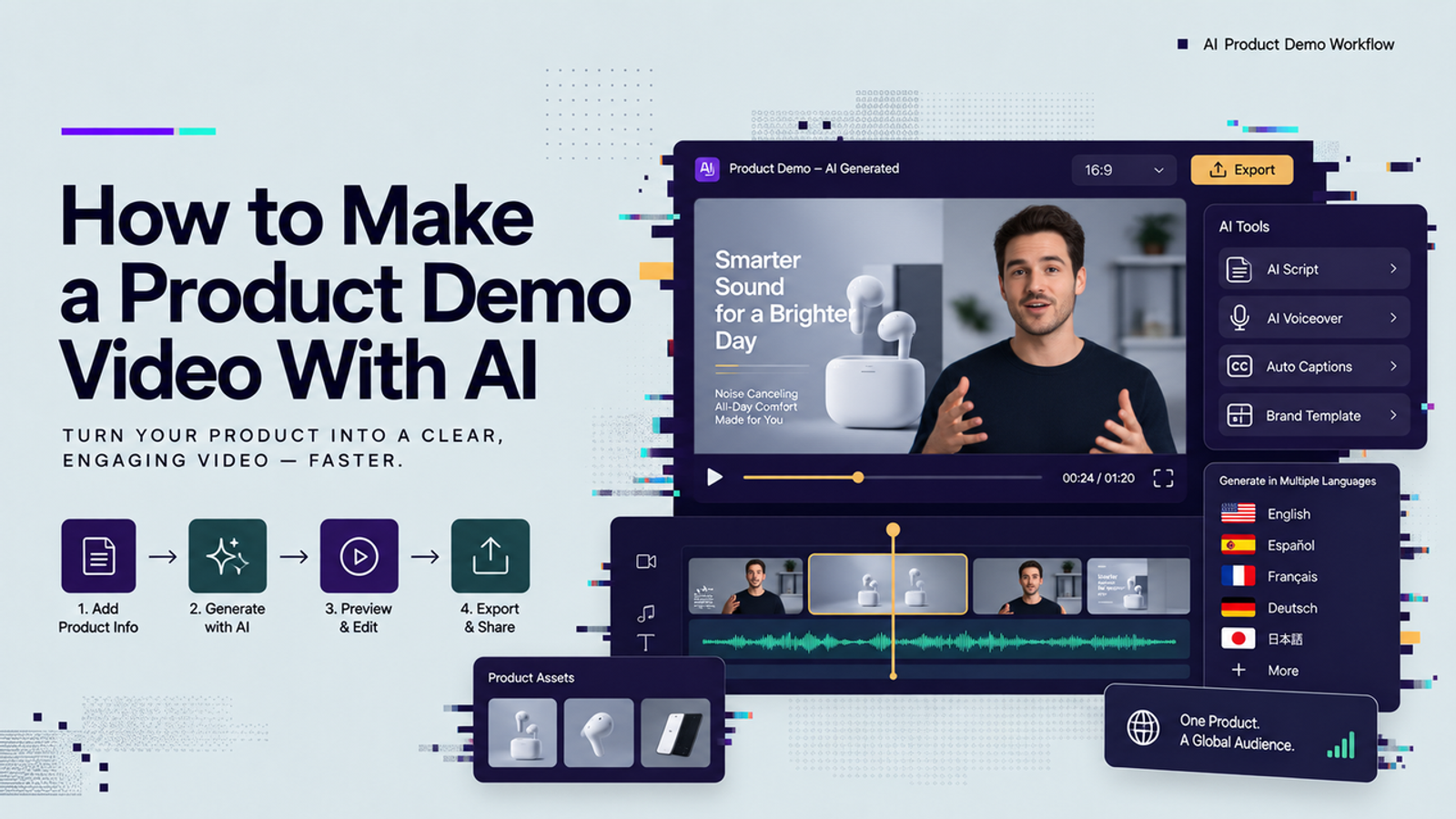
If the team’s job is a product demo, keep the workflow in how to make a product demo video with AI. If the job is model shopping, keep the dated Elo table and re-run it. AI video generation is only useful when those two artifacts stay separate.
My rule this week is narrow. Use generation for previz, cutdowns, and tests. Film the hero when identity is the brief. Re-check ranks on the day you spend.
FAQ
- What is AI video generation
- It is a pass that turns text, a still, or a reference into a short clip. It is not a replacement for approved claims, live product photography, or a human review.
- Is a higher Elo score enough to choose a model
- No. Elo is a blind-vote preference score from a public arena. Use it to shortlist, then test your own still and script.
- Can one platform run more than one model
- Yes. Wizstar’s feature page lists Seedance 2.5, Kling 3.0 Omni, and MiniMax H3 on one login. Confirm the live limits for duration and resolution before you promise a format to a client.
- Should marketers start from text or from a still
- Start from the asset you already have. A still is the safer first pass for product work. Text is the right first pass only when no approved frame exists.