I’m Vela, and I usually get suspicious when a model name starts growing extra words in search results.
A model name can start looking official surprisingly quickly. Put “Pro” after it on a few search results, tool directories, or third-party platforms, and suddenly it feels like a product tier everyone should recognize.
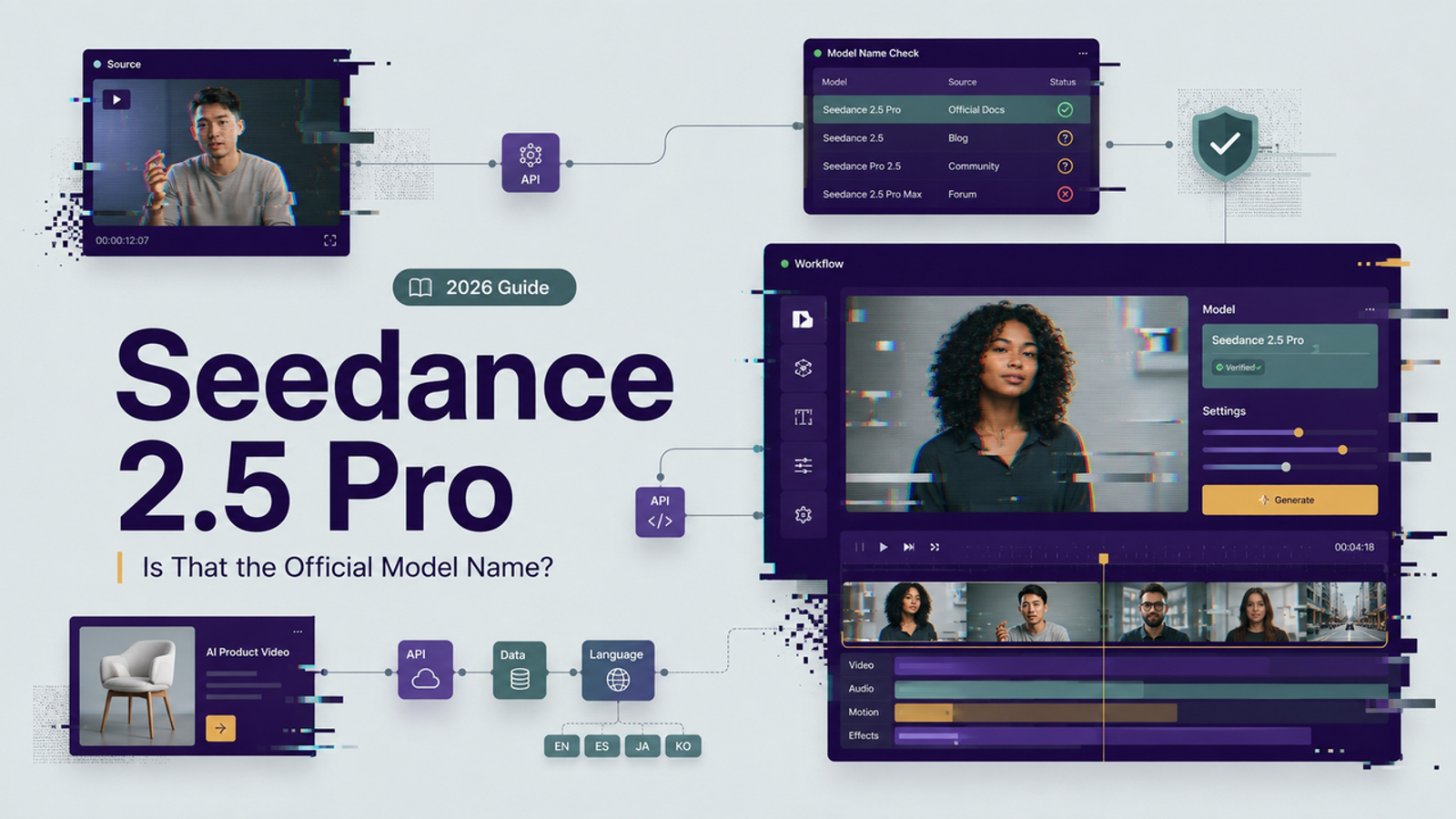
That is exactly why I checked Seedance 2.5 Pro against the current ByteDance Seed and BytePlus documentation instead of trusting the label.
As of September 28, 2026, the official model name is Seedance 2.5. I could not find an official ByteDance Seed model named “Seedance 2.5 Pro.” There is one useful wrinkle, though: BytePlus uses Dreamina Seedance 2.5 in its ModelArk documentation, and the API has a longer model ID.
Those names are worth keeping separate instead of blending them into one unofficial version name.
The Short Answer
No. Seedance 2.5 Pro is not the official model name currently used by ByteDance Seed.
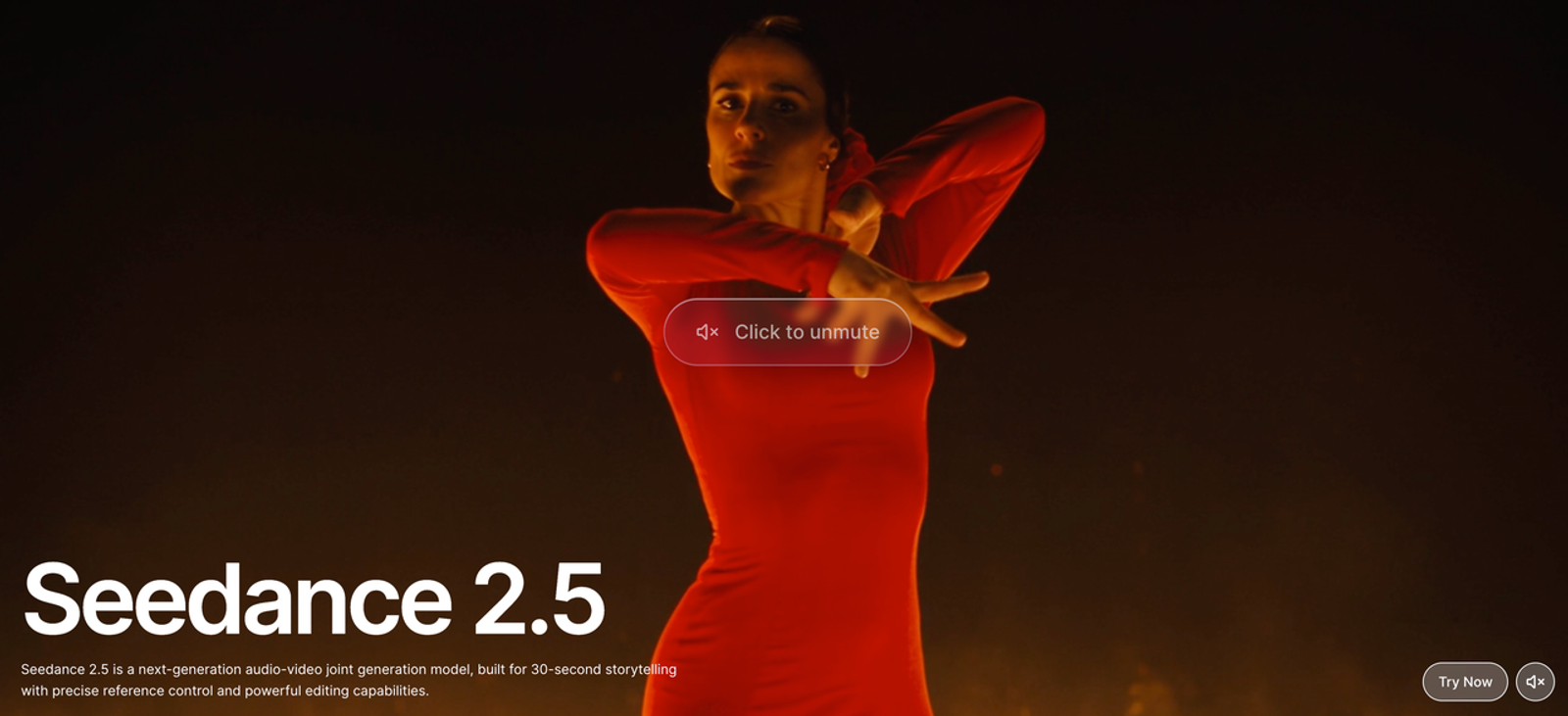
ByteDance officially launched Seedance 2.5 on July 31, 2026. Its launch article introduces it as a new-generation video creation model, while the current Seedance product page and ByteDance Seed model directory continue to list the model simply as Seedance 2.5.
That distinction looks small, but I would not ignore it in a business test sheet.
If I were documenting a project today, I would use Seedance 2.5 as the public model name. If the test runs through BytePlus, I would separately note Dreamina Seedance 2.5 as the name used in ModelArk documentation and dreamina-seedance-2-5-260628 as the exact API model ID. I would also record the provider, test date, and region rather than trying to squeeze all of that information into the model-name field.
“Seedance 2.5 Pro” can still be useful as a search phrase if that is how people are looking for the model. I just would not present it as a verified standalone ByteDance model name.

What ByteDance Officially Calls the Model
The clearest naming signal comes from ByteDance Seed itself.The official launch article is titled “Introducing Seedance 2.5.”
The dedicated product page is headed “Seedance 2.5.” The current Seed model directory also lists Seedance 2.5 among ByteDance Seed’s visual-generation models.
There is a small detail here that I find more useful than it first appears.
ByteDance clearly does use Pro when Pro belongs to an official model name. On the same current model directory, the image-generation model is called Seedream 5.0 Pro.
The Seedance entry, by contrast, remains Seedance 2.5.The company's visual-model release history shows the same thing. Seedance 1.5 pro was officially released with “pro” in its name in December 2025, while the July 2026 release is explicitly titled Seedance 2.5.
So I would not append “Pro” based on an older naming pattern. If ByteDance intended it to be part of the current model name, its own model pages give plenty of evidence that the company knows how to make that distinction.
Why BytePlus Says “Dreamina Seedance 2.5”
This is where the naming gets slightly messy.
ByteDance Seed uses Seedance 2.5 as the public model name. In BytePlus ModelArk documentation, though, you may see Dreamina Seedance 2.5. The current ModelArk documentation then uses Seedance 2.5 as the shorter form when explaining the model and its capabilities.
I would not interpret that as evidence of a separate model.
For ordinary editorial or client-facing use, Seedance 2.5 is the clean public name. When describing the BytePlus implementation specifically, Dreamina Seedance 2.5 makes sense because that is how the service catalogs it.
Then there is the API identifier: dreamina-seedance-2-5-260628.
That exact string matters if I am documenting a reproducible API test. It tells another person which model endpoint or model version I actually called. It does not need to become the customer-facing name of the model.
“Seedance 2.5 Pro” belongs in a different category. I could not verify that wording as an official ByteDance model name. If I saw it in a third-party interface, search result, reseller, or tool directory, I would record it as the label used by that platform rather than assume ByteDance had released another version.
So in my notes, I would keep the naming hierarchy very simple: Seedance 2.5 is the official public model name, Dreamina Seedance 2.5 is the BytePlus catalog wording, and dreamina-seedance-2-5-260628 is the current API model ID.
That may sound fussy. It becomes much less fussy when two people have to reproduce the same test later.
One Important Update: The Seedance 2.5 API Is Now Available
This is the biggest factual change from the earlier version of this article.
When ByteDance published the Seedance 2.5 launch announcement on July 31, 2026, it said the model was rolling out through Jimeng AI, Doubao Pro, and other platforms, with BytePlus ModelArk API access “coming soon.”
That sentence describes the launch-day situation. It is no longer the current API status.
BytePlus now lists Dreamina Seedance 2.5 in its ModelArk video-generation documentation and provides the model ID dreamina-seedance-2-5-260628. The dedicated Seedance 2.5 page on ByteDance Seed also includes a Get API route.
So if an older article or internal test sheet still says Seedance 2.5 API access is “coming soon,”
I would update it.I would now write that Seedance 2.5 API access is available through BytePlus ModelArk, while still checking the current account activation, region, billing, and API configuration before planning a production workflow.
This is also why I like putting a verification date next to AI model research. A launch announcement does not disappear when the product moves on.
What Current Official Specs Can Help Confirm the Model
If the name inside a platform still looks ambiguous, I would compare the documented capabilities instead of relying on the label alone.
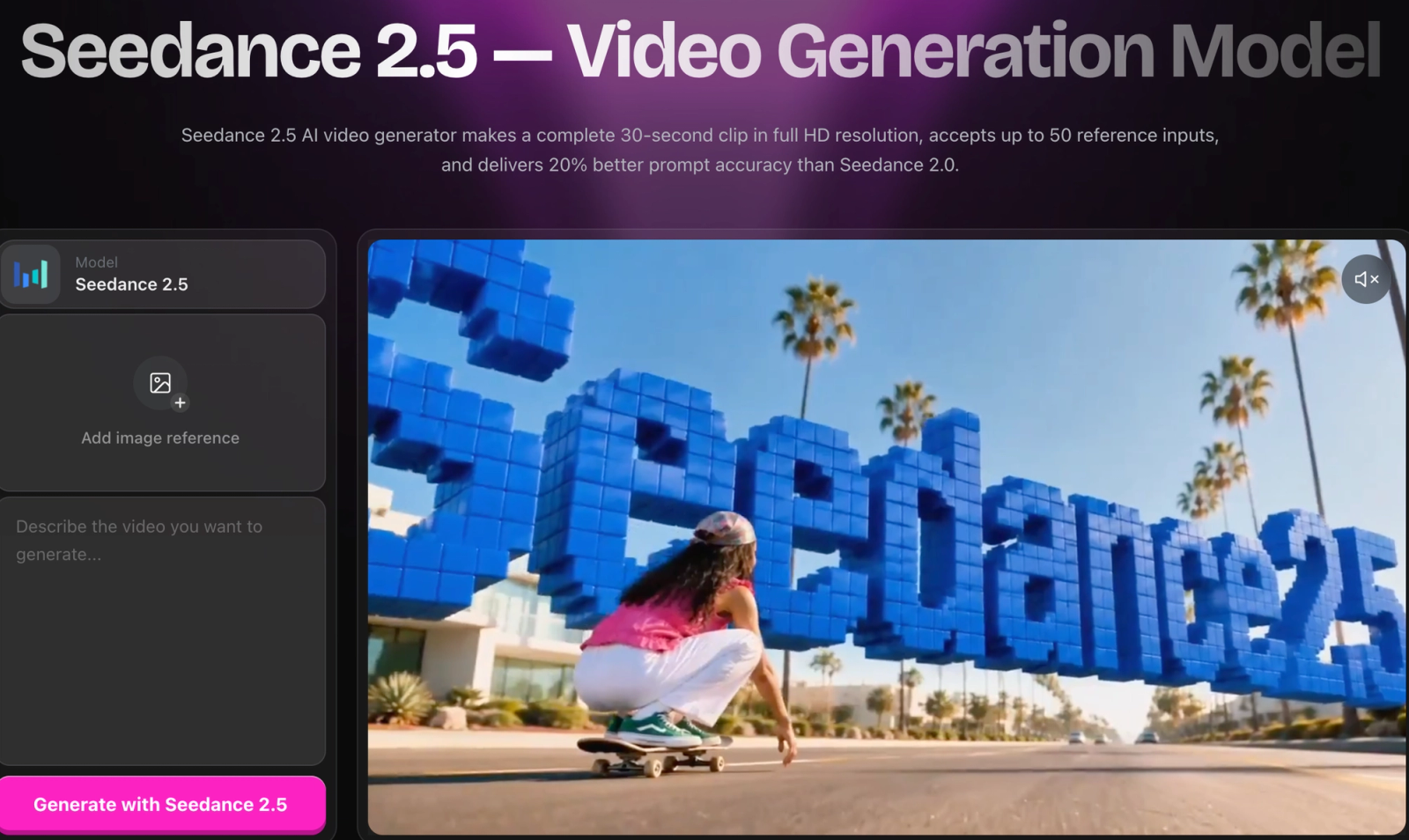
Seedance 2.5 Supports Up to 30 Seconds in One Generation
ByteDance says Seedance 2.5 can create a coherent audio-video clip of up to 30 seconds in a single generation. It also supports extensions for longer storytelling. The current product page says the model can be extended twice.
BytePlus documentation independently lists a supported output duration of 4 to 30 seconds for the current API model.
That gives me a more useful identification check than a “Pro” badge on an unrelated interface.
It Can Use a Large Set of Multimodal References
The official launch material says one Seedance 2.5 generation can use up to 30 images, 10 video clips, and 10 audio clips as references.
BytePlus also documents multimodal reference workflows for the current model, including image, video, and audio references. Seedance 2.5 adds support for pure audio reference input without requiring an accompanying image or video, which differs from some earlier versions.
For a business content team, I would think about this less as “50 files sounds impressive” and more as a control question. Can I provide the product, character, style, motion, and audio references needed for the actual job without forcing everything into one prompt?That is the more useful test.

Generation Is Only Part of the Current Workflow
Seedance 2.5 is not documented only as a text-to-video model.
The current BytePlus capability list includes text-to-video, first-frame image-to-video, first-and-last-frame generation, multimodal reference generation, video editing, and video extension.
ByteDance's own launch material also emphasizes timestamp-level editing and improvements to reference-based editing, camera perspective, and green-screen workflows.
I would still separate supported capability from reliable result.
Documentation tells me that a workflow exists. It does not prove that my product label, actor, packaging, motion, or camera instruction will survive every generation.That part needs an actual test.
Why “Seedance 2.5 Pro” Still Appears
There are a few reasonable ways this name can appear without there being an official Seedance 2.5 Pro model.
Older Seedance Models Really Did Use “Pro”
This is probably part of the confusion.
BytePlus's current model table includes Seedance 1.5 Pro, Seedance 1.0 Pro, and Seedance 1.0 Pro Fast. The current 2.5 entry is different: it is listed as Dreamina Seedance 2.5, with the model ID dreamina-seedance-2-5-260628.
If someone has been following Seedance for a while, assuming that the newer flagship should also carry “Pro” is understandable.
It is still an assumption.
I would use the current model table instead of extending the previous generation's naming convention.
A Platform Can Add Its Own “Pro” Label
A third-party platform may use Pro to describe a subscription, higher-cost generation option, premium preset, access route, or product package.
That label tells me something about the platform. It does not automatically rename the ByteDance model underneath it.
If a dashboard shows “Seedance 2.5 Pro,” I would look for the provider's technical documentation, request metadata, or model ID before putting that name into a benchmark.
Search Pages Can Reinforce a Name That Was Never Official
This happens all the time with fast-moving AI products.
A directory uses one label. A comparison article copies it. Another tool uses the phrase because people are already searching for it. After a while, the wording starts to feel official simply because it is repeated.
I do not think repetition is enough.For model naming, I would still go back to the developer's current model page and API documentation.Boring? A little. But it saves arguments later.
How I Would Verify Seedance 2.5 Before Testing
For a casual creator experiment, a slightly messy model label might not change much. For a client comparison, procurement note, API evaluation, or repeatable benchmark, I would be more careful.
First, I would record the public model name exactly as Seedance 2.5.
Next, I would save the exact technical identifier if the test uses an API. For the current BytePlus ModelArk route, that is dreamina-seedance-2-5-260628.
I would keep the access provider in another field. A BytePlus API test and a generation performed inside a separate third-party platform should not be treated as identical simply because both interfaces say Seedance.
Then I would record the inputs and settings that can actually change the result: prompt, reference assets, generation type, duration, aspect ratio, resolution, audio setting, output format, model ID, and test date.There is one detail I would be careful not to over-interpret. The API ID ends in 260628, but I would not turn that suffix into the model's official public launch date. ByteDance's public launch article is dated July 31, 2026. Unless ByteDance explicitly defines every part of the API ID, I would treat the identifier as an identifier and the public release date as a separate fact.
That keeps the record accurate without inventing meaning from a naming convention.
Check Current Billing Before Scaling a Test
The access route also affects cost documentation.
BytePlus currently describes Seedance 2.5 inference pricing in terms of token usage. The actual price can vary with the output resolution and whether video is included in the input, and BytePlus provides a Seedance 2.5 pricing calculator for estimating a generation.
There are also prepaid resource packs that offset token consumption for Seedance 2.5.
This is why I would not publish a neat universal claim such as “Seedance 2.5 costs X dollars per video” unless the exact conditions were attached.
A 30-second job using video references does not necessarily belong in the same cost example as a short text-to-video generation at a lower resolution.For a team, the useful number is not the cheapest possible generation. It is the cost of the kind of video you repeatedly need to make.
Naming Mistakes Can Quietly Break a Benchmark
This sounds like bookkeeping until two teams compare results.Imagine one spreadsheet says Seedance 2.5 Pro, another says Dreamina Seedance 2.5, and a third records only the name of the third-party platform.
Did all three teams actually test the same underlying model and route?
Maybe.You cannot tell from those labels alone.That is why I keep model name → provider/catalog name → API model ID → platform plan or UI label as separate pieces of information.
If “Pro” appears only in the last one, it stays there.
The same logic applies when using screenshots as evidence. A screenshot of a button labeled “Pro” proves that the platform displayed the word Pro. It does not prove that ByteDance officially renamed the underlying model.
For a reviewable business test, that distinction matters more than it first appears.
Conclusion
As of September 28, 2026, the name I would put in a test plan, article, benchmark, or client report is Seedance 2.5.
Not Seedance 2.5 Pro.
The current official sources line up fairly cleanly once the different naming layers are separated. ByteDance Seed calls the model Seedance 2.5. BytePlus uses Dreamina Seedance 2.5 in ModelArk. The current API identifier is dreamina-seedance-2-5-260628. And API access is now available, which means older descriptions saying ModelArk support is “coming soon” need to be updated.
If a platform still shows “Pro,” I would not ignore it. I would simply record it where it belongs: as that platform's label until an official ByteDance source says otherwise.
It sounds pedantic until you have to reproduce a test.Then it becomes useful.