The short answer
Video marketing works for a small business team when every video has a primary audience question, business goal, owner, destination, and measurement rule. That structure turns unrelated clips into a video marketing strategy and stops an attractive draft from passing without a purpose.
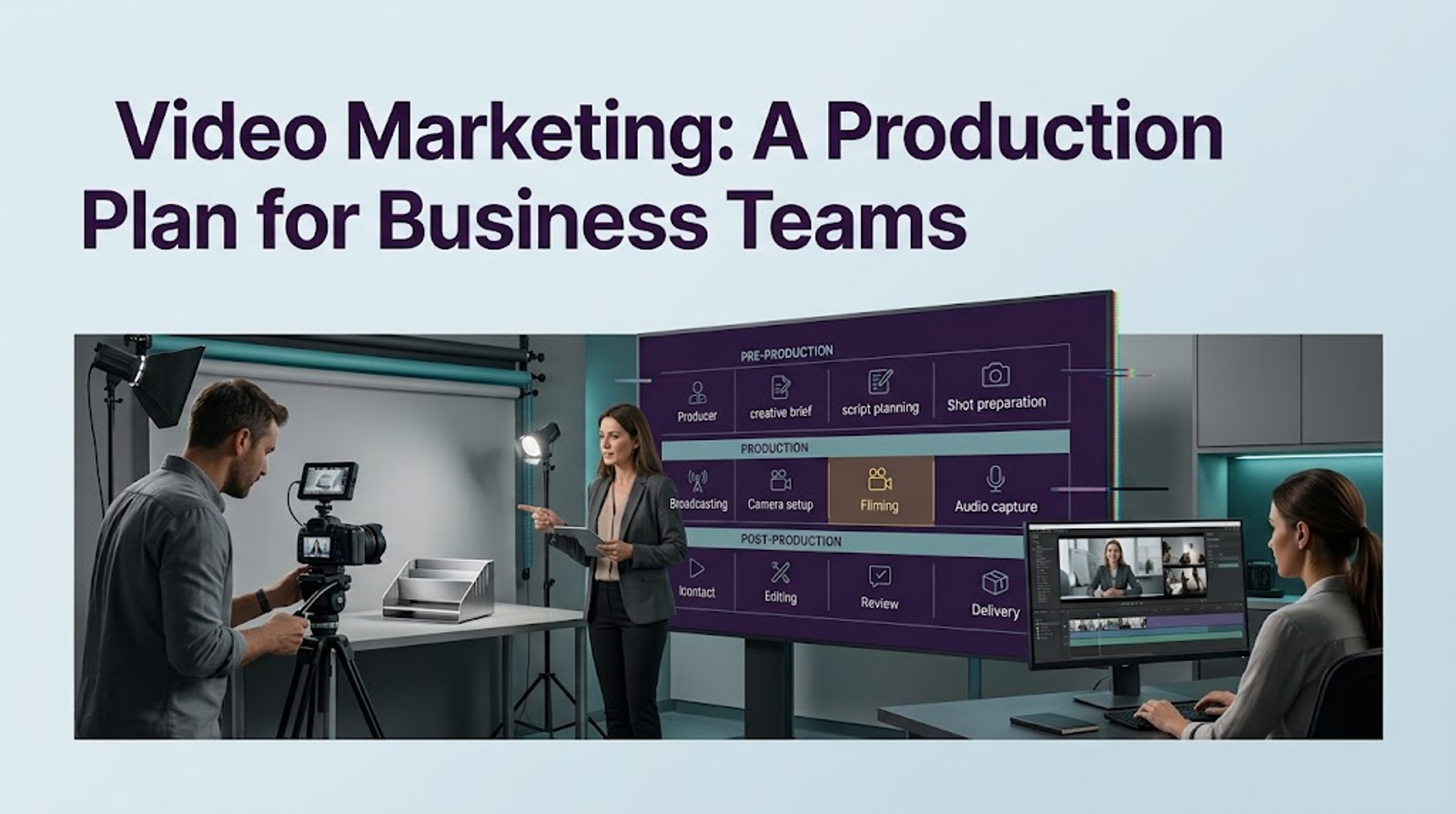
Build the plan as a working production map. For each asset, record the job, source material, review owner, rights status, channel, due date, and deciding metric. AI can shorten first-draft, avatar, and localization work, but the team still owns accuracy and approval.
What Job Should Video Marketing Do?
The first job of video marketing is to remove an obstacle between a viewer and the next sensible action. A video might introduce a problem, show a product in use, answer an objection, provide customer proof, or help a user complete a task. “Increase engagement” identifies neither the audience nor the decision to support.
A useful brief might say: “After watching, first-time buyers should understand how this product fits their routine and decide whether to compare options or visit the product page.” That gives the editor a rule. Pretty is easy to spot. Useful takes another look.
Map Audience Questions to One Business Goal
Map each recurring question to one goal and next step. “What is this?” supports awareness. “Will it work with our process?” suits a demo. “Has it worked for a team like ours?” calls for customer proof. “How do I complete the task?” belongs in training.
The same view count means different things. Broad reach may suit awareness; a demo may be judged by qualified clicks, assisted signups, or task completion. Make that distinction before a dashboard makes the easiest number look decisive.

Which Video Formats Belong in the Plan?
Include formats with a recurring job, usable inputs, and an available reviewer. A small mix can cover acquisition, explanation, proof, and customer communication.
| Format and job | Primary home | Minimum usable inputs | Primary reviewer | Measure tied to the job |
| Ad: earn qualified attention | Paid social or short-form feed | Offer, hook, product visuals, channel specification | Growth plus brand | Hold rate, qualified click, or campaign conversion |
| Explainer: make a method clear | Landing page or YouTube | Verified script, diagram or footage, captions | Subject expert | Watch depth plus next-page action |
| Demo: prove a workflow or feature | Product page, email, or sales library | Current build, task script, clean capture | Product owner | Completion, product action, or assisted sale |
| Customer proof: reduce risk | Case study or retargeting | Interview, approved claims, release terms | Customer and marketing | Case-study visits, influenced conversations, or sales reuse |
| Training: change user behavior | Help center or onboarding | Current process, source files, update trigger | Operations or support | Completion, task success, or fewer repeat questions |
| Localized version: serve a market | Regional channel or locale page | Source master, translation brief, locale page | Local reviewer | Market-specific watch and downstream action |
Ads, Explainers, Demos, and Customer Proof
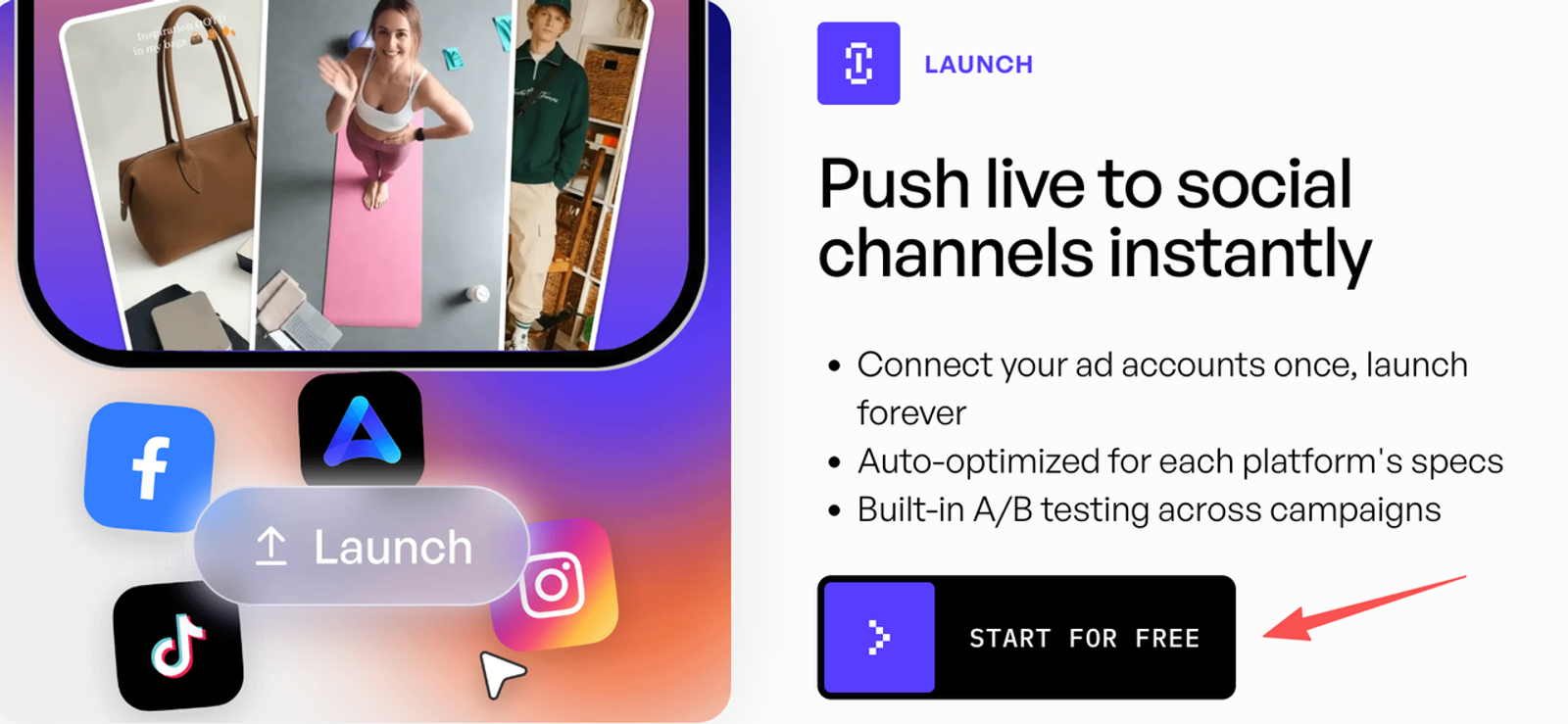
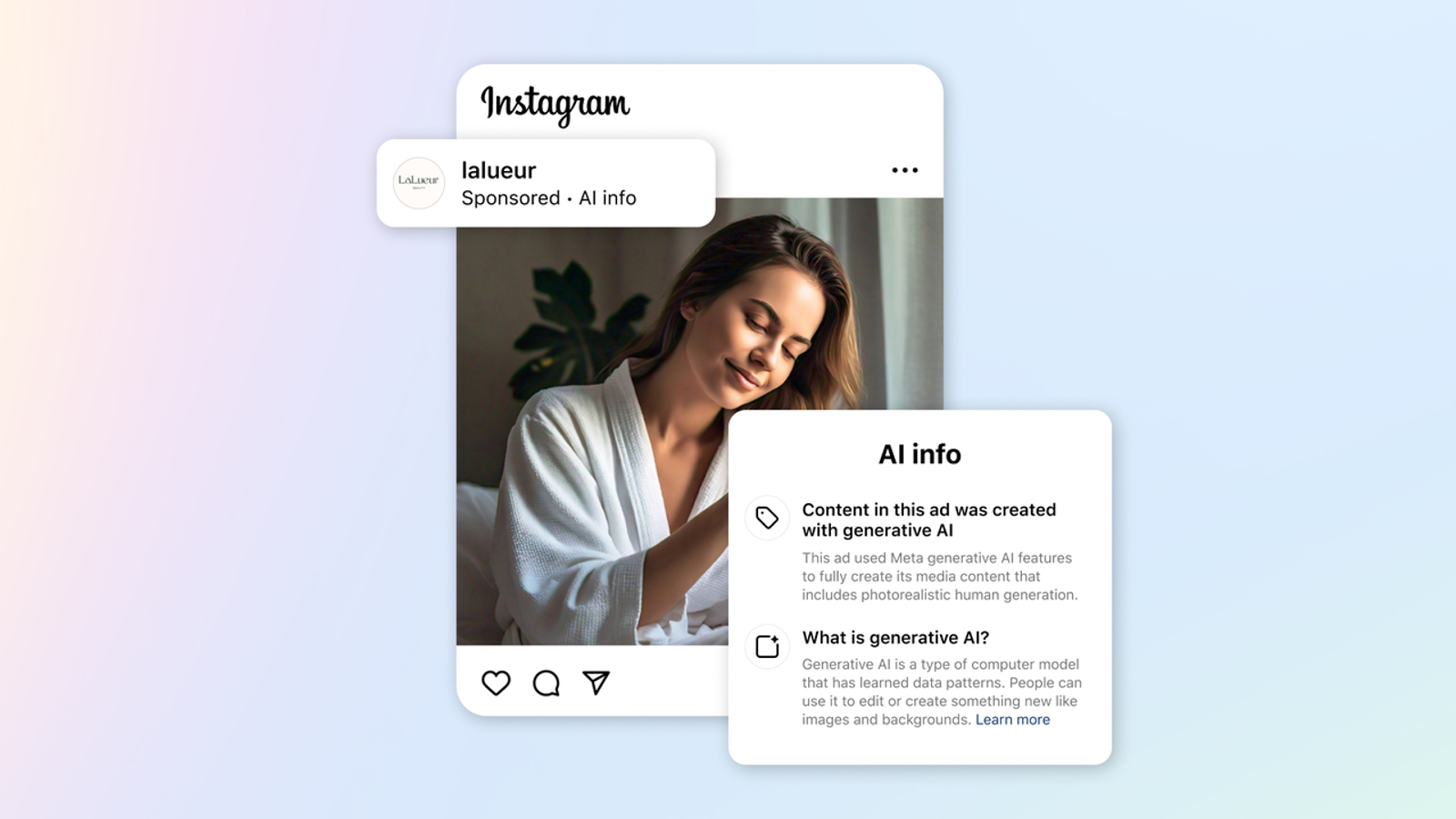
Use ads when the team can state the audience, offer, placement, and action. The brief needs the ratio, safe area, audio plan, CTA, and disclosure requirements, rather than a horizontal master to crop later. Meta’s 2025 AI ad transparency update shows why channel review includes AI labeling as well as creative specifications. Growth reviews the hook and offer; brand or product checks claims and visuals. Measure the selected campaign objective, not the editor’s favorite frame.Use an explainer when the viewer needs to understand why something matters or how its parts relate.
Use a demo when a claim depends on seeing the product or process work; it needs a stable version, realistic task, and reviewer who can catch stale labels or skipped steps. Customer proof fits when the remaining question is whether a result is credible for someone comparable. It needs an interview guide, evidence, and final approval.
Training, Updates, and Localized Versions
Training videos belong in the same system because customer success and marketing often reuse an explanation. Give each one an owner and expiry trigger, such as a product release. Plan captions, transcripts, and descriptions as deliverables; the W3C’s updated accessible media guidance explains how they serve people who cannot access all audio or visual information.
A localized version is a new market asset. Lock the source script, then review terminology, timing, on-screen text, offer, landing page, and local proof. The translated line still has to fit the shot. In Wizstar, a team might draft a product ad from approved images and claims, update an authorized avatar with a revised script, or prepare a localized version from a locked source video and translation. The team still chooses the media plan, validates attribution, and reviews every output.
Build a Production Calendar from Available Inputs
Build the calendar from available assets. Inventory scripts, product images, recordings, expert time, releases, brand templates, music licences, and footage. Schedule only the formats those inputs support. Without an approved case study, reserve an interview and approval window instead of promising a testimonial ad.
Move work through clear states: brief ready, inputs cleared, draft, factual review, brand and rights review, channel adaptation, approval, publication, and archive. Give each state an owner and date. The next edit is part of the cost; a calendar with no response time is already late.
| Week | Production decision |
| 1 | Choose four audience questions; confirm inputs, channels, rights, owners, and primary metrics. |
| 2 | Produce one source master, one ad, and one demo or explainer from cleared material. |
| 3 | Run factual, brand, rights, and channel review; revise before creating local or language versions. |
| 4 | Publish, record early signals and revision cost, archive sources, and approve the next mix. |
Reuse Approved Scripts, Images, and Footage
Reuse at the source level. A verified script can become an explainer, short answers, sales clips, and localized versions if each keeps claims in context. Store approved wording, clean footage, separate audio, captions, graphics, licences, and edit notes. An exported MP4 alone preserves too few editing choices.
AI generation can create visual options from approved product material, while an avatar can deliver a revised update without another recording. Link these drafts to the source record. I would check the product label, spoken claim, captions, likeness permission, and channel before export. For current commercial-use, licensing, privacy, retention, availability, and plan limits, refer to the latest official documentation and contract.

Assign Review, Rights, and Publishing Owners
Assign owners for truth, brand, rights, and publishing, even if one person holds two roles. The expert verifies facts; brand checks identity; rights confirms footage, music, likeness, customer, and channel permissions; publishing checks specifications, metadata, captions, and date. In a three-person team, growth can own the brief and publishing, a subject owner can verify truth, and a founder or brand lead can approve identity and rights. “Marketing approved it” is not an audit trail.
Rights should be recorded by asset and intended use, including channel, territory, duration, editing permission, and any AI or likeness condition. In the United States, the FTC’s 2024 reviews and testimonials rule addresses false or misleading testimonials, including those that misrepresent a person’s experience. Contract terms and local law still require qualified review; This production checklist is general information, not legal advice.
Measure the Job Each Video Was Made to Do
Measure the assigned job first, then use diagnostic metrics to explain it. Awareness may use qualified reach, view rate, or brand-lift evidence. For an explainer, inspect retention around the promised answer and the next-page action. For a demo, track the following product or sales step; for training, task completion or support demand. Judge conversions only when tracking, attribution windows, and sample size are credible.
Write the source and window beside each KPI because platform definitions vary. Google’s current video analytics documentation separates ad and organic views and exposes retention, engagement, share of views, and share of cost. That evidence does not prove the video alone caused revenue. Track review time and abandoned versions so the team compares approved assets rather than cheap drafts.
Decide in advance what the evidence will change. Weak early retention points to the opening, audience, or placement. Healthy viewing with little downstream action points to the CTA, offer, or landing page. An acceptable result with repeated review problems may call for a simpler format or cleaner input. When several comparable releases miss the assigned outcome, retire the format or give it a different job instead of producing more by habit.

When Should a Team Change Its Video Mix?
A team should change its video mix when buyer questions, inputs, channel results, or maintenance costs change. Review fast campaigns monthly and evergreen material quarterly. Add demos when teams repeatedly prove the same workflow. Increase customer proof when buyers understand the product but hesitate over risk. Reduce a format when review stays costly and its outcome remains weak across comparable releases.
One poor post should not replace the whole strategy. Check distribution, audience, opening, offer, format, and measurement first. Then change one variable and record it. Treat one good or bad result as evidence, not certainty.
Limits of a Video-First Marketing Plan
A video-first plan can consume time better spent fixing an unclear offer, incomplete landing page, weak proof, or broken conversion path. Video is slower to update than text and harder to scan. Regulated claims, exact product mechanics, sensitive customer stories, and emotionally important statements may require real footage, specialist production, or legal review.
Allow a video idea to become a diagram, article, live demo, or sales document when that format serves the question better. The production map should never turn video volume into the goal.
Conclusion
Audit next month’s planned videos against six fields: primary audience question, job, approved inputs, owner, channel, and deciding metric. An asset missing two of them is not ready for production. Once those decisions are visible, a small team can reuse material without losing context, retire outdated work before it creates risk, and run a video campaign workflow that learns from both performance and revision cost.
FAQ
- Who owns video assets after an agency contract ends?
- The contract decides what is assigned, licensed, or retained; payment alone does not settle ownership. Before closeout, inventory footage, project files, exports, scripts, graphics, music, stock, releases, and generated elements. Record permitted users, channels, territories, and duration, then collect the required files and credentials.
- Can a localized version use the same landing page as the source video?
- Yes, if the page serves that audience in the correct language, currency, offer, support context, and legal territory. Otherwise, sending a localized video to the source page breaks the promise. When separate pages exist, Google’s localized-page documentation explains how language or regional alternatives can be declared. Test the full path from video copy to form confirmation.
- What should happen when an old video includes a retired product feature?
- Unpublish, replace, or label it according to risk and placement. Update paid placements and high-intent pages first. Preserve the original internally with its retirement date, affected claim, replacement URL, and owner so it cannot return unnoticed.
- Can a customer interview be cut into paid ads under the original release?
- Only if the release and customer approval cover paid advertising, the selected excerpts, territories, duration, edits, and any implied endorsement. Ask again when the context changes or the consent language is unclear. Keep the approved cut and release together; a general interview permission is not a reliable substitute for placement-specific review.
- How should a team archive raw footage for future campaign reuse?
- Keep original files, clean audio, transcripts, captions, graphics, project files, exports, and a manifest. Record the subject, campaign, format, rights limits, consent, claims version, storage location, and review date. Use stable filenames, controlled access, redundant storage, and a restore check.