The short answer
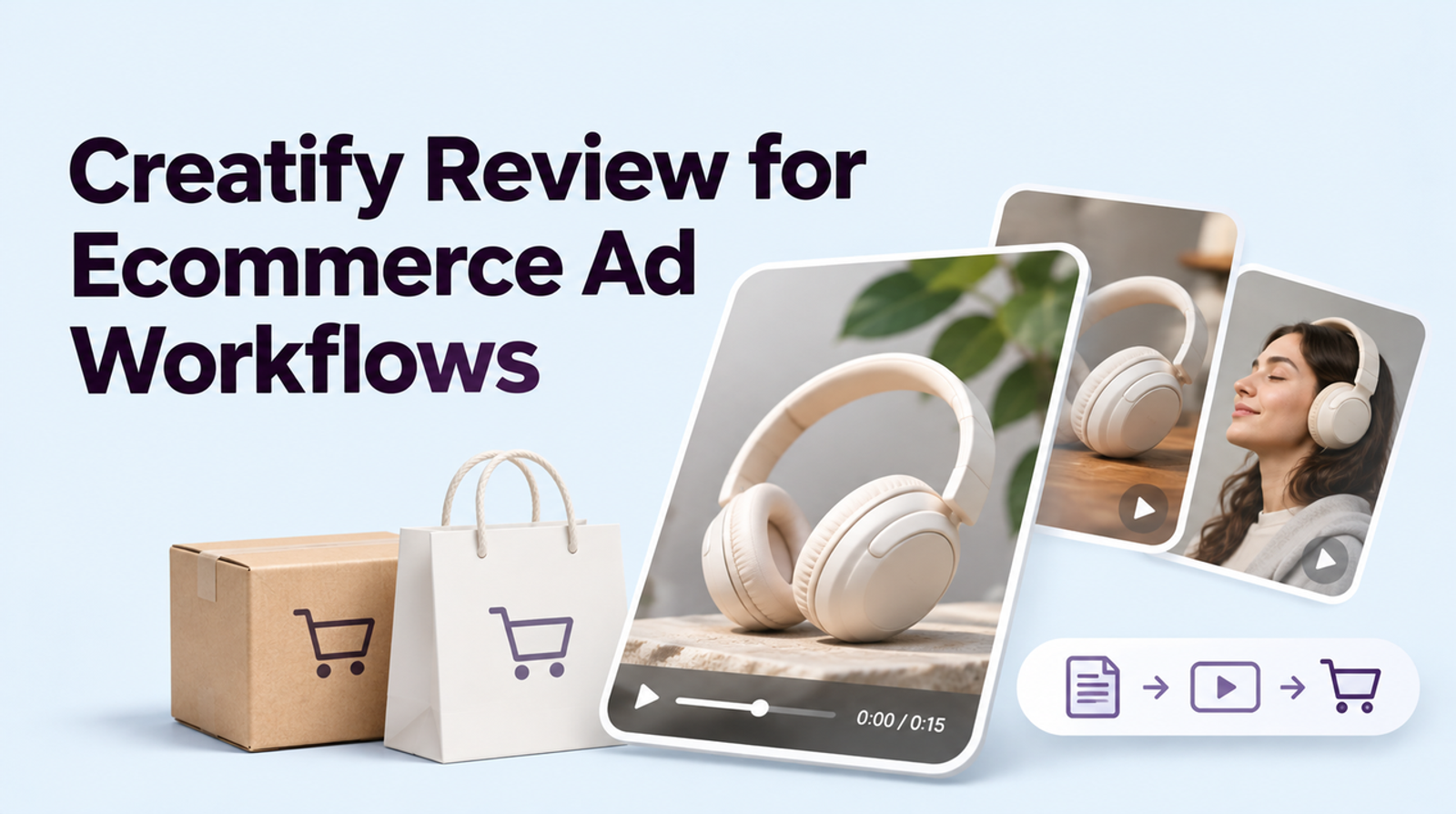
Creatify is a plausible fit for ecommerce teams that need several presenter-led ad drafts from a product page or approved assets. The team still needs to approve the message and finish each version before launch. This Creatify review follows the current Ad Agent workflow using official documentation checked November 5, 2026; I have not run a campaign test or measured return on ad spend.
What Ad Production Task Does Creatify Address?
Creatify's current website presents a platform for turning product inputs into ad creatives. For an ecommerce team, that means selecting a selling angle, drafting a script, pairing it with a presenter or visuals, and producing variants for review.
Product Assets to Short Ad Variants
The platform has changed where this work begins. Creatify's Product Video notice says the old tool was deprecated from the Home page in May 2026. Existing users may still have a transitional link; newer product-focused recipes include Product Shot and Avatar Showcase.
For a proposed test, I would use one SKU, an approved product URL, two authorized images, and a fixed list of permitted claims. Ask for two hooks while keeping the audience and product facts constant. Compare the drafts by script changes, presenter delivery, and edit time; These are proposed measures, not Creatify results.
What Is the Current Creation Workflow?
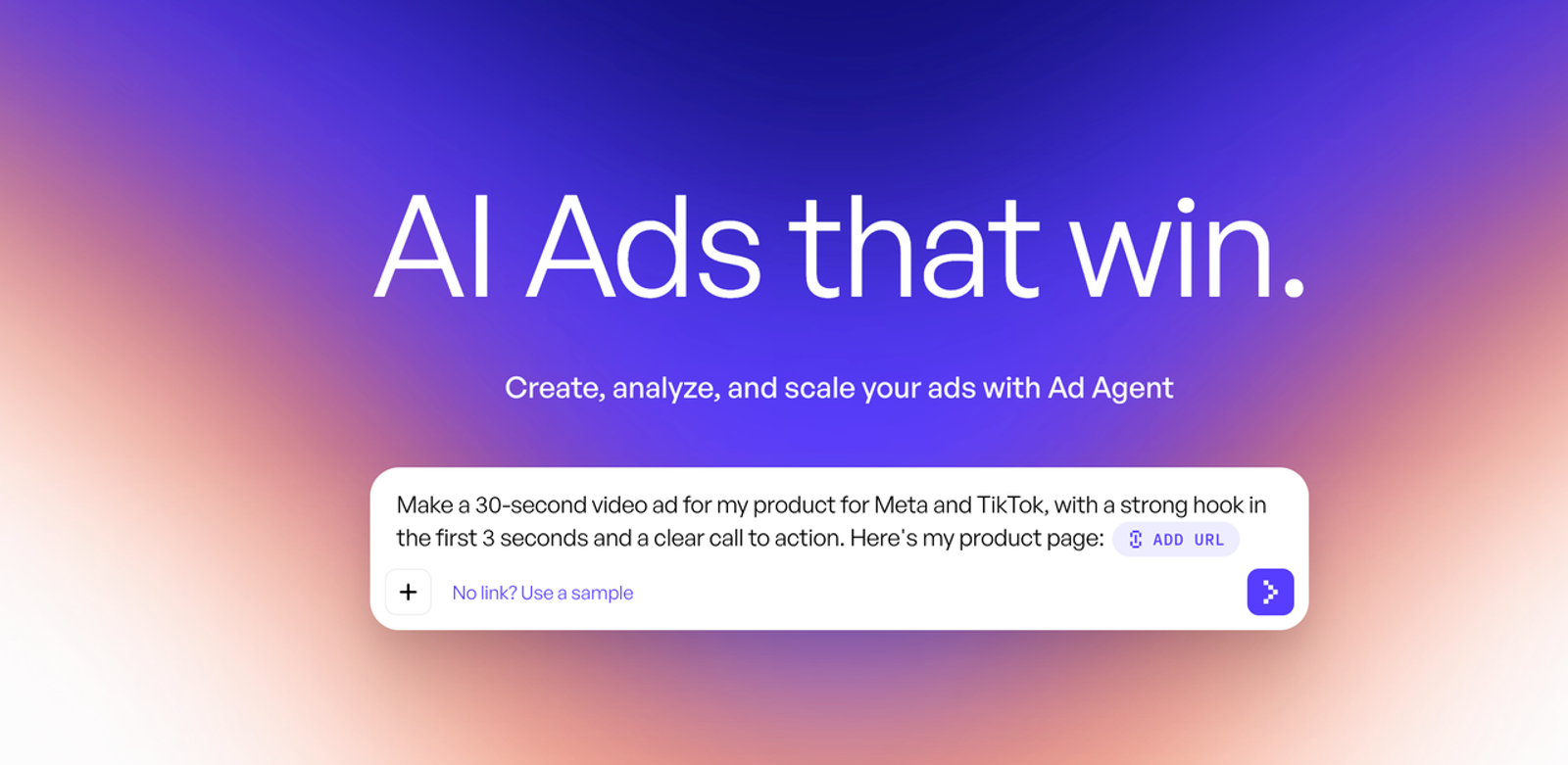
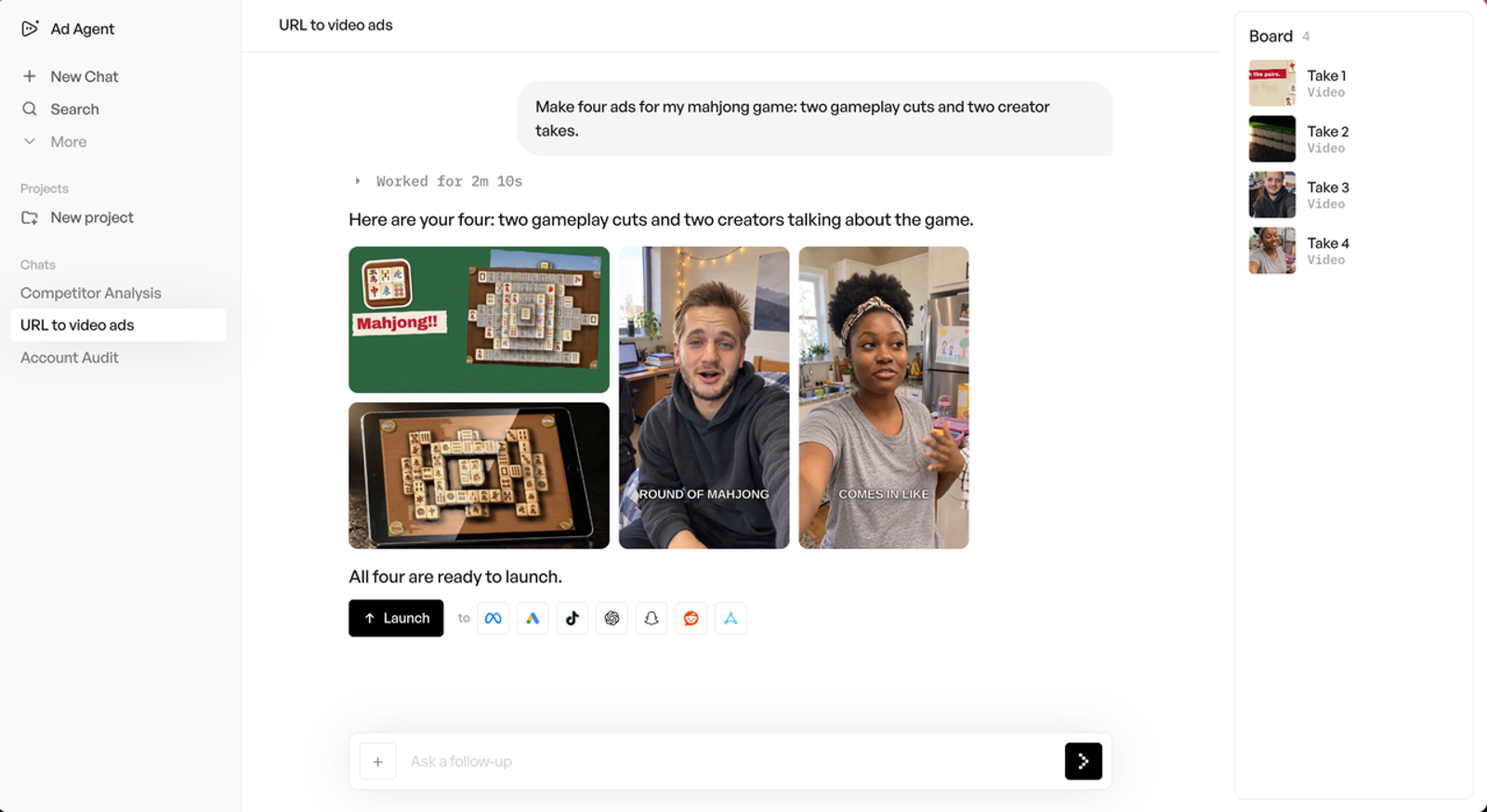
Creatify's Ad Agent guide calls the chat-based agent its main current way to create video ads. This review follows that route: give it a product URL, uploaded media, or saved assets; request a concept and script; approve the direction; then render and revise. The guide says the team can ask for the script before generating.
Product Inputs and Creative Brief
A product URL can save setup work, but the page may contain old prices or copy for another market. For Ad Agent, I would supply the exact SKU, current offer, permitted claims, and exclusions alongside the URL. URL to Video remains a separate creation route; its help page also allows manual assets and product information when a link is unavailable.
The brief should specify the ad's job. A launch may need a demonstration and offer; a retargeting variant may answer an objection in the first line. “Make a high-converting ad” gives reviewers little to verify. A target viewer and approved message give the draft a clearer purpose.
Script, Presenter, and Editing Choices
I would stop after the concept and script, before the first render, to decide whether the angle deserves production and whether it needs a presenter at all. A draft earns a review, not a green light.
Presenter choice is separate from the script. A stock actor can provide a first version, while a custom presenter may fit a recurring brand voice, subject to plan access and authorization. Ad Agent documents chat edits and timestamped comments; I would use them to request specific changes, then inspect the new take rather than assume the instruction was followed.
What Should an Ecommerce Team Review?
The team should review product facts, presenter performance, and the assembled frame as separate decisions. That division makes it clear who can reject a version and why.
Product Facts and On-Screen Claims
I would compare the generated script, captions, product imagery, and end card with the same approved source. Check price, quantity, materials, compatibility, shipping promises, and any before-and-after implication that the brief did not authorize. If an offer changes by market, lock the market to the draft before approving the words.
I would check the label before the lighting. If the video shows a package, pause where it turns or becomes small in frame; a generated product can look right at a glance while its logo or printed details drift. Move exact copy into a controlled text layer where possible, and reject visuals that misrepresent the item. These are review criteria for Creatify product video ads, not defects I measured in a test.
Presenter Fit and Brand Voice
The presenter should sound like the brand and make the claim intelligible at the intended viewing speed. Listen once without looking at the captions, then watch with sound off. The first pass catches awkward pronunciation or a line that does not fit the actor; the second exposes whether the visual and on-screen text carry the point on silent feeds. If a testimonial-style script implies a real personal experience, the team must decide whether that representation is supportable and permitted before publication.
For a recurring custom presenter, keep an approval record for likeness, voice, scope of use, and markets. Creatify's published ethics statement says custom avatars require the individual's explicit consent. That is a platform safeguard, while the team still needs permission broad enough for its campaign.
Where Can the Workflow Create Extra Work?
Extra work appears when a client changes the script or presenter after rendering. A manual caption edit and a newly generated voice line can carry different costs.
Credits, Revisions, and Asset Handoffs
Creatify's credit-usage guide says standard video tools have listed per-duration charges, while Agent, Ad Flow, and Ad Clone can consume variable credits that are not fixed upfront. It also says some Pro-and-higher revisions are free when the script, avatar, and voice stay unchanged. That exception matters: a client request to change the spoken promise may turn a layout adjustment into a new paid generation. The public guide does not establish a universal refund rule for failed renders, so confirm how the selected route treats failures. The next edit is part of the cost.
I would save the approved script, source images, product URL, presenter choice, export, and approval notes with each variant. The handoff to a media buyer should identify the placement, language, aspect ratio, and final owner of claims approval. Batch capability and parallel generations may help volume, but they can also multiply the review burden if the underlying script is wrong.
Which Teams Are a Good Fit?
Creatify fits teams with approved product assets, a script owner, and an editor who can turn several drafts into placement-ready ads. A team without those roles may generate more versions than it can responsibly approve.
Repeatable Ad Variants Versus One-Off Shots
For a pilot, keep one SKU, two hooks, one presenter style, and one placement. Compare the editor and approval time for the second variant with the first. A one-off cinematic close-up may make this script-and-presenter route feel heavy; recurring audience or offer variants are a better reason to test it.
Conclusion
Creatify offers a current route from product assets to presenter-led ad drafts, with a useful pause for script approval before rendering. I would judge the workflow by credits, script revisions, and approval time per published ad. The brand remains responsible for the claims and visuals it releases.
FAQ
- Can an agency invite a client to review a Creatify draft?
- Yes, Creatify documents workspace invitations and viewer roles, subject to plan seats and permissions. Its workspace help has described comments as work in progress, so do not assume a formal client sign-off system. Agree on where approval is recorded, and give the client only the access needed to review.
- Can Creatify localize the same ad for several markets?
- Creatify documents multiple supported languages and language selection in URL to Video. That supports making market variants, but it does not establish a one-click, approved translation of the exact same ad. Recheck product claims, price, presenter pronunciation, captions, and market-specific rights for each version.
- What rights are required for a custom Creatify presenter?
- Creatify says a custom avatar of a real person requires that person's explicit consent. Obtain permission for the likeness and voice, intended advertising channels, territories, duration, and any client reuse. A stock avatar has a different permission path; check the applicable plan and platform terms. This is general information, not legal advice.
- Do unused Creatify credits carry into another month?
- Creatify's current FAQ says monthly-plan credits remain valid for two months. That is a time limit, not an indefinite balance. Check the account's renewal date and current plan terms before scheduling a large batch near expiry.
- Can Creatify ad exports be used across multiple paid platforms?
- Creatify's FAQ says users own their creatives and may use them across channels. The final ad still needs the rights to its images, presenter, voice, music, and claims, plus compliance with each destination's ad rules and format requirements. Please refer to the latest official documentation before publication.